Skate Shop Clothing: Trends, Culture, and Practicality

Intro
Skateboarding is an art form, a lifestyle, and for many, it’s a way of life. At the heart of this vibrant culture lies the clothing synonymous with it—preparing riders for both performance and personal expression. Skate shop clothing has evolved dramatically over the years, morphing from functional attire to a canvas showcasing unique styles and trends. This journey takes us through the intricate culture of skateboarding, exploring how it harmonizes fashion with practical needs.
The relationship between skaters and their gear goes beyond mere aesthetics; it is built on functionality, comfort, and the distinct identity each wearer seeks to project. Local skate shops are not just retailers; they act as community focal points, preserving a rich history while fostering innovation in designs. Through examining the intersection of skate fashion and lifestyle choices, we can comprehend the powerful impact these garments have on skaters as well as the broader influence on streetwear.
In this article, we’ll traverse the evolution of skate shop clothing’s styles, highlighting significant trends that have emerged over the decades—the baggy pants of the 90s and the resurgence of tie-dye are just a few markers of the ever-changing landscape. Moreover, we will delve into the sustainability practices that many brands are adopting today, as eco-consciousness slowly finds its way into our favorite skate brands. It’s not just about how you ride; it’s also about the choices you make off the board.
The following sections will cover the materials that make up these garments, discuss essential practical features, and introduce noteworthy brands and rising designers who are making waves in the skate apparel universe. Together, we aim to provide a comprehensive understanding of not just what skaters wear, but why it matters.
Prolusion to Skate Shop Clothing
Skate shop clothing has become more than just a functional design; it represents a lifestyle deeply embedded within the skateboarding community. The influence of skate culture has far outstretched the confines of skate parks and streets, resulting in a style that resonates with not just skaters but also mainstream fashion. Grasping the nuances of this topic is crucial for anyone involved in skateboarding, from beginners to seasoned pros and those retailing the gear.
Understanding skate shop clothing gives insights into its practical benefits as well as its broader cultural implications. The emergence of graphic tees, baggy trousers, and functional footwear illustrates a fusion of style driven by both aesthetics and the demands of skating. As we dive into this exploration, it’s critical to recognize how these clothing choices can enhance performance while simultaneously expressing individuality and identity.
Exploring this topic allows us to appreciate the importance of clothing in the realm of skateboarding. The right gear not only aids movement but also fosters a sense of belonging within the skateboarding community. It reflects personal style, aligns with trends, and importantly, showcases an understanding of what it means to be a skater today.
Defining Skate Shop Clothing
Skate shop clothing can be defined as functional apparel designed primarily for skateboarding but has transcended into everyday wear for many. This type of clothing typically includes items such as oversized t-shirts, hoodies, specialized trousers, and supportive footwear. Brands design their products to stand up against the wear and tear that comes from frequent skating while concurrently providing comfort and style.
When one thinks of skate shop clothing, images of vibrant prints and logos spring to mind. Each piece tells a story, from the company’s ethos to the subcultures within the skate community. Such clothing pieces aren’t just utilitarian; they are a canvas for expression, mirroring the spirit of those who wear them.
The Cultural Significance
The cultural significance of skate shop clothing cannot be overstated. What started as a practical necessity has transformed into an expression of identity and rebellion. Skateboarding, historically seen as an underground sport, reflects values like creativity, freedom, and defiance. Clothing associated with this culture serves as a badge of honor, illustrating one’s commitment to the craft and community.
Moreover, the connection between skate fashion and social movements is intriguing.
"Clothing in the skate culture showcases the resilience and adaptability of its participants." As trends shift, so too do the messages conveyed through clothing. For instance, the rise of sustainability within skate shop apparel speaks to broader environmental concerns, allowing skaters to merge their passion with responsible practices.
In sum, skate shop clothing is more than mere fabric; it’s a vivid representation of a culture that's continuously evolving yet deeply rooted in its principles. Understanding these layers adds depth to discussions around skateboarding apparel and its implications in everyday life.
Historical Context
Understanding the historical background of skate shop clothing is pivotal for grasping its relevance and influence on modern skate culture. This section outlines how skate fashion emerged, transformed over the decades, and became interwoven with a lifestyle that transcends mere trends. With roots tracing back to the 1970s, skate fashion has evolved dramatically in response to broader cultural movements, societal shifts, and technological advancements in materials. Recognizing this context enriches appreciation for the styles that dominate today's skateboards and reflects the ideals and identities of skaters through various eras.
The Origins of Skate Fashion
The genesis of skate fashion can be painted against the backdrop of the Southern California surf culture of the 1960s. Initially, skaters wore clothing styles heavily influenced by surfers, opting for loose-fitting shorts and t-shirts, primarily to ensure freedom of movement during their rides. Brands like Vans and Converse began to take form during this era, targeting the emerging youth market. The introduction of the skateboard itself was revolutionary; as skaters sought versatility in their gear, practicality grew paramount. Denim and rugged wear became the standard as individuals transformed their boards into tools of self-expression.
High-tops, which offered more ankle support, began emerging in the 1980s, and graphics on clothing started to evolve with bold designs that eschewed traditional aesthetics. The unity of skate culture found in clothing became more pronounced, as wearers began embracing unique styles that differentiated them from mainstream youth fashion. Recognizable logos and prints from brands like Thrasher and Element began to cement themselves not only on gear but in the very identity of skateboarding.
Evolution Over the Decades
As times shifted, so too did the fashion statements emerging from skate culture. The 1990s ushered in the golden age of skateboarding. Streetwear began to collide with skate fashion, layering oversized tees and baggy shorts over custom deck graphics. The rise of prominent skate videos captured the allure of this style, as brands like Supreme blended exclusivity with skateboarding, appealing to a growing audience. Many skaters began to see themselves as icons, culminating in a style that was as much about attitude as it was about clothing.
In the 2000s, the scene saw a continued growth in consumer interest, with many established skate brands expanding beyond skateboards to offer full apparel lines. This opened the door for eclectic collaborations between skate culture and high fashion. Notably, brands began pushing for eco-friendly materials, reflecting a rising awareness of environmental issues within the community. Today, touching on sustainability, functionality, and individuality streams down through the fabric of skate shop clothing, making it a rich tapestry of cultural influence that still resonates powerfully among today’s skaters.
"Skateboarding isn't just a sport; it's a lifestyle. The clothes we wear tell our stories."
Skate shop clothing has transformed from simple functional pieces into a broader narrative of rebellion, creativity, and community. As the historical context of skate fashion is revisited, it becomes clear that every piece of clothing has a story, showcasing the evolution of not just a style, but an entire culture.


Key Components of Skate Shop Clothing
Understanding the key components of skate shop clothing is essential to grasp the soul of skate culture. These foundational elements are not just functional; they embody the lifestyle and attitudes of skaters everywhere. Clothing in this realm must strike a balance between practicality and style, enhancing movement while making a distinct fashion statement. As we dive into the various aspects of skate apparel, we’ll take a closer look at how these elements are shaped by their cultural context and the demands of skaters.
T-Shirts and Hoodies
T-shirts and hoodies serve as the backbone of skate shop clothing. They are versatile pieces that cater to varying weather conditions and personal styles. A quality skater shirt usually features graphic designs that express individuality and sometimes even political statements. Hoodies, often oversized, provide comfort and practicality for skate sessions, allowing freedom of movement while acting as a warm layer during cooler months. Even the fabric matters; a heavier cotton blend often withstands wear and tear better than lighter alternatives. Thus, these staples become much more than just garments—they become a canvas for self-expression and serve as a badge of identity within the community.
Pants and Shorts
When it comes to pants and shorts, function is paramount. Skaters favor baggy styles, which offer ample mobility, yet many have started pivoting towards slim-fit designs that maintain ease while flaunting a sleeker silhouette. Materials like denim and twill are often chosen for durability, yet skaters now look for features such as reinforced knees or stretch fabrics, which elevate the practicality of pants. Shorts present similar considerations; they need to be lightweight and breathable, yet durable enough to endure frequent falls and slides. Understanding these choices can significantly affect a skater’s performance and comfort.
Footwear
Footwear is arguably the most critical component of skate shop clothing. The right pair of skate shoes provides not just style but also essential grip, support, and cushioning. Brands like Vans and Nike SB lead in this category, but the preferred fit can vary widely among skaters. High-tops tend to offer better ankle support, while low-tops allow for more flexibility. Materials play a crucial role, too; suede is often favored for its durability, while canvas shoes may offer a lighter option for enhancing board feel. A poorly chosen shoe can easily lead to discomfort or even injury, making it vital for skaters to choose wisely.
Accessories
Accessories in skate culture, while often overlooked, play a significant part in shaping the overall look and function of skate clothing. From beanies and snapbacks to belts and socks, these small details complete the outfit while serving practical purposes. A well-placed cap can block the sun, while accessories like wristbands can help absorb sweat. Moreover, some skaters wear jewelry that signifies a connection to the culture or individual style. Choosing the right accessories adds personalization to their outfit, reflecting both a functional need and an aesthetic preference.
"Skate shop clothing isn’t merely about style; it's a form of personal expression that resonates with a culture built on freedom, creativity, and passion."
Material Considerations
When discussing skate shop clothing, one cannot overlook the importance of material considerations. The choice of fabric can significantly influence not just the style but also the durability and comfort of the garments. In the skateboarding community, where wear and tear are part of the daily grind, selecting the right material can make or break the experience for skaters. This section explores the balance between durability and style, alongside the increasing emphasis on sustainability within the skate fashion industry.
Durability vs. Style
Skateboarders are notorious for pushing their gear to the limit. This is why choosing clothing that can withstand scuffs, tears, and the general rigors of skateboarding is crucial. Many brands focus on heavier cotton blends or specially treated fabrics that can endure the abrasive nature of skating. However, durability doesn’t have to mean sacrificing style.
Skate clothing often blends function with aesthetics. For instance, brands might use reinforced seams or Cordura fabric to enhance durability, while still keeping the visuals appealing with vibrant graphics or trendy cuts. The key is finding that sweet spot where neither durability nor style overshadows the other. To illustrate:
- Durable Options: Heavyweight cotton, Cordura, canvas.
- Stylish Touches: Screen prints, embroidered logos, and unique colorways.
This combination not only withstands the test of the skateboard but also resonates with the culture’s flair. It’s all about expressing identity while ensuring the clothing can take a beating without falling apart.
"Skate fashion is more than just about clothing—it's about durability that matches style in the unpredictable world of skateboarding."
As skate culture continues to evolve, so does the understanding of the materials used in crafting these garments. With skaters prioritizing both functionality and fashion, brands that innovate in fabric technology stand to gain a considerable following.
Sustainability in Skate Fashion
As the world increasingly becomes attuned to environmental challenges, sustainability is carving a niche in skate shop clothing. Skaters, often seen as rebels, are now becoming advocates for eco-friendly practices. This shift can be attributed to a growing awareness of how fashion impacts the planet. Skaters are beginning to choose brands that prioritize sustainable materials, such as organic cotton, recycled polyester, and environmentally-friendly dyes.
Many emerging designers are leading the charge, creating collections that not only appeal to aesthetic sensibilities but also uphold ecological values. This conscious consumption presents a unique opportunity for skaters to align their passion for the sport with a commitment to the environment, demonstrating that style and环保(the environment) can indeed coalesce.
Some notable sustainable practices include:
- Use of organic materials that are free from harmful pesticides and chemicals.
- Recycling fabric scraps to reduce waste during production.
- Implementation of fair trade practices to ensure workers are treated ethically.
As the skateboard community continues to embrace sustainability, the incorporation of green practices into skate fashion becomes a badge of honor. Skaters can now not only express their individuality through style but also stand for a cause that matters. The future may see a rise in brands fully dedicated to eco-conscious practices, redefining what it means to be a skater in an environmentally aware era.
With these considerations of durability, style, and sustainability in skate shop clothing, it’s clear that material choices reflect broader messages about identity and responsibility in the culture of skateboarding.
Influential Brands in Skate Shop Clothing


In the realm of skate shop clothing, brands hold a pivotal role that transcends mere fashion. They shape cultural narratives, influence trends, and cater to the practical needs of skateboarders. The brands that emerge often have a deep connection with the skate community, reflecting values like authenticity, resilience, and creativity. This section delves into two essential subcategories: legacy brands, which have long-standing influence and respect, and emerging designers, who introduce fresh perspectives and innovations.
Legacy Brands
Legacy brands are the backbone of the skate clothing scene, often revered for their historical significance and contributions to the culture. Think of Quiksilver, Element, and Santa Cruz; these names are not just labels, they are synonymous with the evolution of skateboarding itself. They offer a connection to the roots of the sport, representing decades of style, innovation, and community-driven design.
These brands have perfected the blend of functionality and style. For instance, Quiksilver, originally rooted in surf culture, has adapted its designs to fit the needs of skateboarders, providing durable materials that withstand wear and tear while ensuring comfort. Their attention to detail doesn’t just end at aesthetics; many of these legacy brands have incorporated advanced technology and sustainable practices into their manufacturing processes.
The loyal following of these legacy brands stems from more than just nostalgia. Skaters trust that gear from these companies will perform well under pressure. When it comes to board shorts or hoodies, familiarity breeds a sense of security—skaters know they can rely on the quality associated with these storied names. Moreover, they foster community through sponsorships and teamwork, influencing new generations of skaters to adopt their styles.
"Skateboarding is not just a sport; it's a lifestyle, and these brands embody that spirit."
Emerging Designers
On the flip side, emerging designers are making waves in the skate apparel industry, adding variety and freshness to the traditional landscape. Brands like Palace, Off-White, and Alyx signal a new direction that resonates with a younger, fashion-forward audience. These designers are not just creating clothes; they're challenging the norms of skate culture and experimenting with high-fashion elements.
Emerging designers often break down barriers that have long defined skate clothing. They play with fabrics, patterns, and silhouettes that were once deemed unconventional for skateboarders. For instance, Palace often combines streetwear influences with skate-friendly practicality, resulting in unique pieces that appeal to both skaters and fashion enthusiasts alike. This has led to a rise in popularity among skaters, inviting a diverse mix into the skate scene—breaking away from the monochrome templates of yesteryears.
Collaboration is also a significant aspect of their strategy. Many emerging designers collaborate with established brands or even artists and athletes to craft limited-edition pieces that make a statement both on and off the board. Whether it’s through a pop-up shop, social media campaigns, or skater endorsements, these brands leverage modern marketing methods to capture the attention of the skateboarding community.
In summary, both legacy brands and emerging designers play crucial roles in the world of skate shop clothing. The former gives us the history and reliability while the latter offers innovation and evolution. Understanding these influences can help skaters, enthusiasts, and retailers alike navigate the ever-changing landscape of skate fashion.
The Role of Skate Shops
Skate shops are more than just retail spaces; they serve as vital epicenters of community, culture, and connection within the skateboarding scene. In an environment that often prizes individualism and self-expression, these shops provide a shared space where enthusiasts can converge, connect, and inspire one another. They are instrumental in fostering the culture of skateboarding, but beyond culture, they also play practical roles that significantly enhance the skateboarding experience.
Community Hubs
Skate shops act as the heartbeat of local skateboarding scenes. They are not just places to buy gear, but hotspots where friendships are formed and local talent is nurtured. Many of the shops host events, from competitions to skate clinics, encouraging participation among New skaters and seasoned pros alike. This nurtures a sense of belonging that is crucial in a sport often seen as solitary.
Moreover, the layout and ambiance of these stores typically reflect their community's vibe. For instance, a shop in a city known for its art scene might display local artists' work alongside skateboards and apparel, creating a canvas of creativity that speaks to the heart of its customers.
"A skater walks into a shop, and it’s not just about the boards or shoes; it’s about finding a crew that shares the same passion."
In these spaces, local skaters can also share tips, tricks, and experiences, which enhances their skills and builds camaraderie. The knowledgeable staff often doubles as mentors, offering advice that extends beyond purchasing decisions.
Curating the Experience
The experience of shopping at a skate shop goes beyond transaction; it’s about curation. Skilled curators select items that resonate with the community, considering both trends and practicality. The atmosphere of a shop often blends aesthetics and functionality. Take, for instance, the racks of skate decks that feature artwork from local artists or the walls adorned with custom sneakers. Each item is chosen not just as merchandise but as a representation of the culture it supports.
Here are a few ways skate shops enhance the customer experience:
- Personalized Recommendations: Staff members are usually avid skaters themselves, meaning they can offer tailored suggestions that fit a customer's style and needs.
- Product Testing: Some shops have parks or ramps nearby, allowing customers to test out gear before making a purchase, minimizing buyer's remorse.
- Events and Workshops: Regular events such as product launches, skate clinics, or movie screenings draw crowds, solidifying customer loyalty and creating community bonds.
In essence, skate shops are essential to both the practical and cultural aspects of skateboarding. They empower local skaters, support their communities, and elevate the overall skateboarding experience, going far beyond the idea of a mere retail outlet.
Fashion Trends and Their Impact
In the world of skate shop clothing, fashion trends play a monumental role, not just in aesthetics but also in shaping community identity and individual expression. The landscape of skate apparel is constantly evolving, with each trend reflecting broader cultural shifts and social interactions. As skateboarding moves deeper into the mainstream, understanding these trends becomes crucial for enthusiasts who want to remain connected to their roots while also adapting to changing styles.
Streetwear Influence
Streetwear has woven itself into the fabric of skate culture, creating a vibrant tapestry that pulls from various elements of urban style. Renowned brands like Supreme, Off-White, and Palace have not only elevated streetwear but have also blurred the lines with skate fashion.
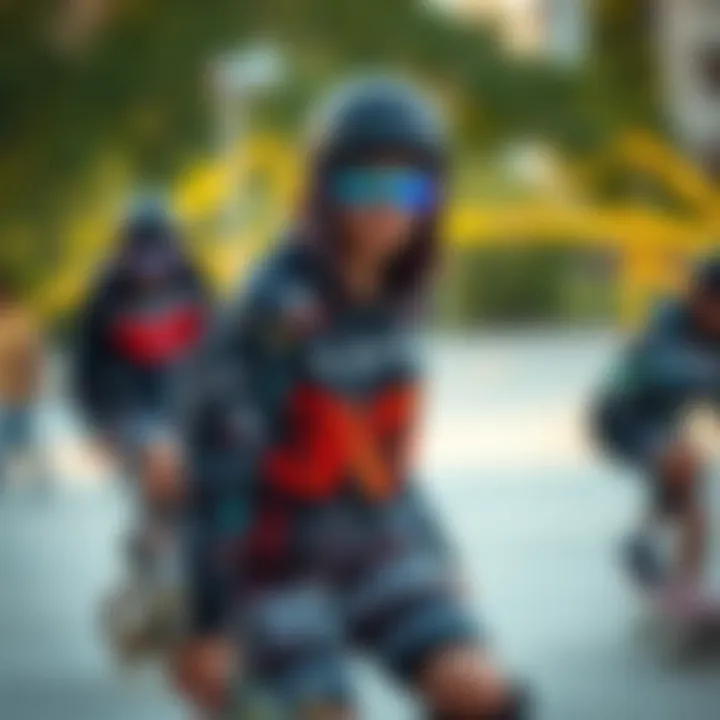
The aesthetics of streetwear focus heavily on bold graphics, oversized silhouettes, and a rebellious edge. This resonates with skaters who often seek clothing that reflects their dynamic lifestyles. Cotton t-shirts adorned with striking designs, baggy jeans, and high-top sneakers can often be seen on skaters—highlighting how streetwear has reshaped what’s considered fashionable in skate shops.
“Streetwear isn't just about what you wear; it’s about where you’re from and the culture that shapes you.”
This merging of streetwear and skating not only influences what’s found in skate shops but also impacts how consumers interact with these brands. Limited edition drops, collaborations, and hype culture make each piece feel special, encouraging skaters to share their finds on social media platforms, further promoting a lifestyle.
Influence of Social Media
Speaking of social media, its impact on skate shop clothing trends cannot be overstated. Platforms like Instagram and TikTok have become playgrounds for showcasing style and creativity among skaters. Here, skaters post clips of tricks, accompanied by their outfit choices, leading to the instant spread of fashion fads.
Influencers and professional athletes on these platforms often dictate trends, pushing brands to respond quickly to the ever-changing tastes of their audience. Users share videos of their latest outfits at the skatepark, often sparking trends that can go viral overnight. By observing these platforms, not only can one keep a finger on the pulse of what’s cool but also understand how trends originate from the grassroots level.
Additionally, brands now engage with their audience directly through social media campaigns and hashtag challenges, which allows them to gather real-time feedback and adapt their offerings. This level of interaction offers an unprecedented insight into consumer preferences, leading to innovative designs and improved functionality in skate apparel.
For further reading on these influences, check out Wikipedia on Streetwear and Britannica's Skateboard Culture.
Practical Considerations
Understanding practical considerations when it comes to skate shop clothing is paramount for anyone immersed in the skateboarding scene. Not just about looking good, it's about feeling comfortable and performing well. The clothes you choose can directly affect your movements on the board, making it essential to focus on fit and care.
Choosing the Right Fit
When it comes to picking skate clothes, the fit can make all the difference. It’s not just about aesthetics; a well-fitted garment can enhance performance. You wouldn't want a pair of pants that are too tight to restrict your motions, nor would you prefer them so baggy that they snag on your skateboard. Comfort is key.
Here are some considerations when choosing the right fit:
- Movement Friendly: Look for clothing that allows for a range of motion. Fabrics like cotton and blends with spandex can provide that flexibility.
- Ride-Ready: Ensure shorts or pants have sufficient length. A really long pair might look cool, but it could also get caught in your wheels.
- Layering Ability: If you're in a place with changing temperatures, select layers that work well together. A fitted t-shirt under a loose hoodie strikes a good balance.
Skaters should also keep in mind the style of their ride. Street skaters might not want the same fit as ramp riders. Ultimately, the right fit is about personal preference and practicality—find what feels good for you.
Caring for Skate Clothing
Maintaining your skate shop clothing not only preserves its life but also keeps you looking sharp. Proper care can be the make-or-break in longevity. Skate clothing is often made from durable materials, but even they have their limits. Here are some tips for tendering to them:
- Wash with Care: Use cold water and mild detergent. Hot water can shrink fabrics, and harsh chemicals may fade your favorite graphics.
- Air Dry: Whenever possible, avoid tumble drying. Hanging clothes to dry retains their shape and color better.
- Spot Clean Stains: Instead of washing everything, spot cleaning can help you avoid excessive wear on garments.
"A little bit of care goes a long way, turning clothes from 'meh' to 'wow' for years to come!"
For further insight into skate fashion, consider visiting Wikipedia or platforms like Reddit for community tips and shared experiences.
The End
In wrapping up this exploration of skate shop clothing, it's vital to recognize just how intertwined this subject is with the very essence of skateboarding culture. The clothing skaters choose isn’t just about aesthetics or trends; it significantly influences their identity, creativity, and the community at large. Skate clothing often serves as a canvas that reflects the personal yet collective expression of the skate culture, making every item worn on the board hold a story or significance. It showcases grit, resilience, and an unyielding passion for the sport.
Reflecting on the Skate Culture
When you take a good look at skate culture, you see layers of creativity and rebellion woven together. Skate shops are more than just retail spaces. They embody the hard-earned wisdom and camaraderie of skaters young and old.
The impact of skate shop clothing can be felt on multiple levels:
- Identity: Each piece of clothing worn has the potential to communicate a skater’s values, style, and even aspirations. From oversized t-shirts with unique graphics to well-loved, scuffed skate shoes, each garment tells a part of their story.
- Community: The sense of belonging is palpable in skate shops, where like-minded individuals gather, share tips, and even critique each other's gear choices. It fosters a space where feedback is given on not just tricks, but also the styles that accompany them.
- Cultural Exchange: Skateboarding transcends simple locality. You might find skaters sporting threads from brands based in Tokyo, while a kid in Los Angeles is raving about a limited-edition drop from a European label. Through clothing, skaters build bridges across cultures, continually intermixing influences.
"Skate culture isn't just about the tricks you can land; it's also about the expression that emerges on and off the board."
Future Directions in Skate Shop Clothing
As we look ahead, the landscape of skate shop clothing is bound to change. Several trends are already on the horizon that could shape the future, and these deserve a closer examination:
- Sustainability: With growing environmental concerns, many brands are shifting towards eco-friendly practices. This shift isn’t merely a trend; it's a movement. Skaters are becoming more conscious of their choices, seeking materials that are sustainable yet stylish. More companies are likely to invest in recycling programs or use organic fabrics.
- Tech Integration: The fusion of technology and clothing could revolutionize the skatewear industry. Imagine smart fabrics that enhance performance or pockets that charge your devices while you skate. The possibilities are vast, and they appear to be gearing up for some innovative moves.
- Diversity in Design: As skateboarding continues to welcome individuals from various backgrounds, it’s essential for brands to reflect this diversity. Expect a more inclusive approach in clothing designs, incorporating different cultures and artistic expressions to truly represent the vast tapestry of the skating world.
The significance of skate shop clothing goes far beyond mere practicality. It's a complicated blend of style, community experiences, and forward-thinking practices that will pave the way for future generations. From skaters to brand owners, everyone has a hand in shaping this vibrant culture. It’s a continual journey of expression — one that will undoubtedly evolve while retaining its core values.