
Primitive Skateboard Clothing: Culture and Trends Explored
Intro
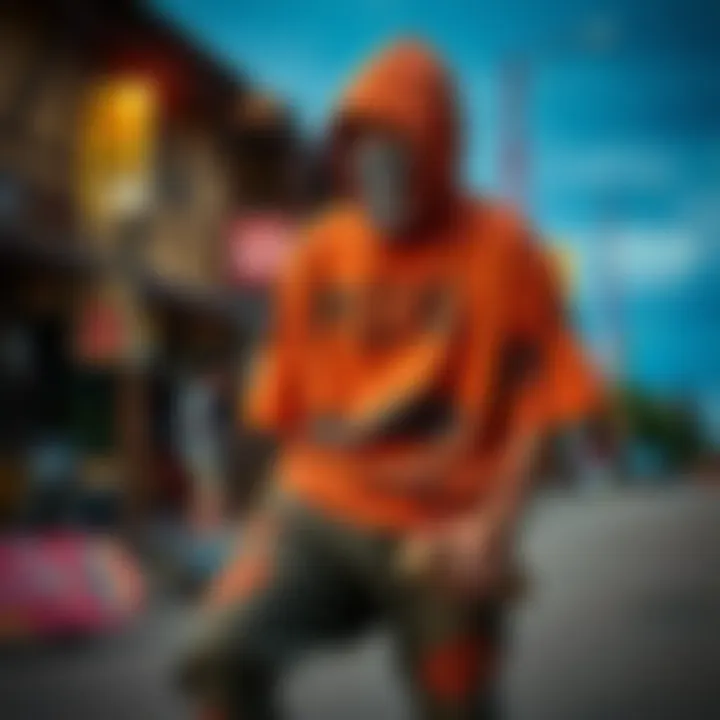
The world of skateboarding is a vibrant tapestry woven from the threads of culture, community, and creativity. Among the myriad elements that define this culture, clothing plays a pivotal role. Reflecting personal expression and the ethos of skateboarding, primitive skateboard clothing has become more than just a fashion statement; it embodies a lifestyle and philosophy that resonates deeply within the skate community.
Primitive skateboard clothing has its roots in the rebellious spirit of the subculture. Emerging in the 1970s and evolving over the decades, these garments were initially functional, designed to allow skaters freedom of movement while providing durability against the wear and tear of street skating. However, as the skate scene matured, so did the style of the clothing. Today’s primitive skateboard apparel showcases a blend of nostalgia and innovation, capturing the essence of what it means to skate.
This article aims to explore the intricate layers of primitive skateboard clothing—its origins, cultural significance, and the ever-changing trends that shape it. By understanding the nuances of what skaters wear and why they wear it, we can gain valuable insight into the community that embraces this distinct fashion. From the threads that weave together individual stories to the brands that champion this aesthetic, clothing within the skating world tells a story of identity, freedom, and expression.
The Origins of Skateboard Clothing
In any exploration of skateboard culture, understanding the origins of skateboard clothing stands as a fundamental cornerstone. This isn't merely about threads and textiles; it’s about the historical tapestry woven by generations of skaters that paints a vivid picture of their lifestyle. The clothing we see today reflects a rich legacy, shaped by the ethos of rebellion, self-expression, and community within the skateboarding scene.
Historical Development
The genesis of skateboard clothing can be traced back to the late 1950s and early 1960s, when skateboarding first emerged as a sport in California. Initially, athletes wore whatever they had on hand – often casual beachwear like board shorts and t-shirts. However, the influence of surrounding culture began to seep into the fashion of skaters.
As skateboarding gained traction, distinct styles began to develop. By the 1970s, skate parks sprang up, and skaters started to use durability as a primary concern in their clothing. Denim became a staple; it was robust and could withstand the wear and tear of skating. This preference for durability opened the door for brands to focus on specific clothing designed for skaters.
Furthermore, the rise of iconic brands such as Vans and Oskar's pushed skateboard clothing into mainstream awareness. Both brands started to produce shoes and apparel that catered directly to the skater lifestyle, merging functionality with style. By the time we reached the 1980s, skateboard fashion had blossomed into a subculture of its own, characterized by bright colors, bold graphics, and oversized silhouettes that reflected the youth's desire to stand out.
Influence of Surf Culture
The roots of skateboard clothing are deeply entwined with surf culture. In the early days, many skateboarders themselves were surfers, transitioning from riding waves to riding concrete. This transition brought a certain laid-back vibe to skateboard fashion.
Surf wear heavily influenced the types of materials and styles adopted by skateboarders. What began with simple swim shorts and tank tops quickly evolved. As surf culture popularized vibrant prints and functional gear, skaters embraced similar elements in their own wardrobe. The cross-pollination of these two cultures gave rise to innovative styles that were as functional as they were fashionable.
In many ways, surf culture laid the groundwork for skateboard apparel’s ever-evolving narrative. The use of bright colors and graphics continued, becoming a staple in skatewear. Certain brands drew directly from surfing to create clothing that not only served the skater’s needs but also represented a demeanor of relaxation and freedom– values revered by both communities.
Overall, the origins of skateboard clothing reveal a rich and collective journey interspersed with influences from various cultures. Today, this legacy lives on, reminding enthusiasts that what you wear while skating isn't just about style; it’s a signifier of belonging to a storied community.
Philosophy Behind Primitive Skateboard Clothing
The philosophy underlying primitive skateboard clothing is a tapestry woven from threads of individuality, creativity, and functionality. It can be seen as not just a fashion statement, but as a reflection of a lifestyle and a mindset deeply embedded in the skateboarding culture. As these garments evolve, they continue to encapsulate a diverse array of attitudes and values that resonate not only with skateboarders but also with an ever-growing audience looking to express themselves through their attire.
Many skate enthusiasts approach their clothing with a sense of purpose. The styles they choose often signify more than mere trends; they tell stories of rebellion against mainstream fashion, a yearning for authenticity, and a desire to uphold the spirt of skateboarding. Here, we delve into two significant concepts that form the backbone of this philosophy: minimalism and authenticity in style.
The Concept of Minimalism
Minimalism, a concept that seemingly transcended various art forms, is increasingly finding its footing within skateboard fashion. At the heart of this trend lies the idea of less is more. Skateboarders tend to prioritize comfort and utility over excessive ornamentation. For them, the focus is often on functional items that allow freedom of movement.
- Simplicity: Visually, minimalism aims for clean lines and simple silhouettes. A basic tee paired with well-fitted jeans or shorts proves that a skateboarder can look sharp without being ostentatious.
- Versatility: The allure of minimalist clothing is its versatility. A few quality pieces can mix and match seamlessly across various settings – from the skatepark to casual hangouts. This not only simplifies the daily process of choosing what to wear but also appeals to the budget-conscious consumer looking to maximize their wardrobe.
- Sustainable Choices: Minimalism often aligns itself with sustainability as well. In an age where fast fashion is prevalent, the minimalist approach encourages selecting timeless pieces that withstand trends, thus contributing to eco-conscious decisions.
This shift towards minimalism is more than just aesthetics; it's about creating a lifestyle that mirrors the skateboarding ethos of being unhindered and free.
Authenticity in Style
When it comes to authenticity, there’s a magnetic pull towards garments that showcase individuality and heritage. Primitive skateboard clothing serves as an emblem of authenticity, emphasized not only through style but also the stories behind the brands.
- Personal Expression: Being authentic is central to skate culture. Each skateboarder brings their unique flair into their wardrobe choices. Whether it’s a hand-painted jacket or a thrifted shirt complete with a history, these pieces convey a personal narrative.
- Brand Storytelling: Brands like Santa Cruz Skateboards and Element thrive on this notion. They've cultivated their identities not just through their products, but through the stories they inspire. Their roots resonate with many who cherish the history and legacy of skateboarding, further solidifying their choice of attire.
- Anti-Conformity: In the world of skateboarding, authenticity also champions anti-conformity. It challenges mainstream expectations. This defiance spills over into fashion choices, making those who wear skate gear feel like they are part of a like-minded community that appreciates the unconventional.
"Skateboard clothing is not just attire; it’s a badge of identity, a canvas for self-expression, and a nod to the roots that shape its culture."
In summary, the philosophy behind primitive skateboard clothing is more than a mere reflection of style. It embodies values of simplicity and authenticity, offering wearers not just comfort and ease but also a means of expressing who they really are. In a world overwhelmed by fast fashion, these concepts serve as a breath of fresh air for skateboarders and enthusiasts alike, fostering a culture that values depth and individuality.
Key Materials in Primitive Skateboard Clothing
In the realm of primitive skateboard clothing, the materials used hold significant sway over comfort, performance, and the overall culture surrounding skateboarding. Such fabrics not only contribute to the aesthetic appeal but are also pivotal in meeting the practical demands of skaters. As skateboarders navigate urban landscapes and skate parks, the clothing they wear must withstand the rigors of movement while echoing the ethos of the skate community. Understanding the materials makes it clear why they matter, and why the right choices play a crucial role in both style and function.
Natural vs Synthetic Fabrics
When it comes to choosing materials for skateboarding apparel, two primary categories emerge: natural and synthetic fabrics.
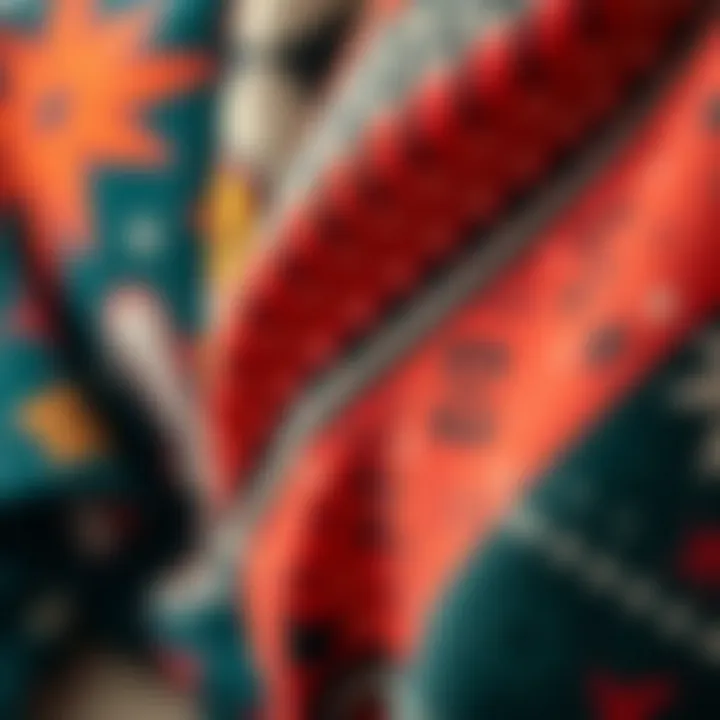
Natural fabrics, like cotton and linen, are often favored for their breathability and soft textures. Cotton, for instance, not only feels good against the skin but also allows for moisture absorption, making it a go-to for hot summer days. Many skaters appreciate the loose fit of cotton shirts and shorts, which provide the freedom of movement necessary for executing tricks.
On the flip side, synthetic fabrics such as polyester and nylon have cemented their place in skate culture due to their durability and quick-drying properties. These materials can handle the wear and tear that naturally comes with skateboarding. They resist shrinking and stretching, making them apt for the varied movements skaters engage in daily.
Both fabric types cater to specific needs. Many brands are now blending natural and synthetic fibers to strike a balance, leading to clothing that is both sturdy and comfortable. A hoodie made from a cotton-polyester mix, for example, can be cozy while also providing breathability, serving skaters well during both chilly evenings and intense sessions.
Durability and Performance Considerations
Durability and performance are at the forefront when selecting materials for skateboard clothing. The active nature of skating involves falls, spills, and constant friction, thereby necessitating fabrics that can stand up to such challenges.
When assessing durability, it’s essential to consider the stitching and construction of clothing as well. A pair of pants, for instance, might be made from denim (a notoriously tough fabric), but if the seams are poorly constructed, the pants might not last long. Reinforced stitching in high-stress areas, like the inner thighs or the elbows of a jacket, can be the difference between a garment that lasts a few months and one that endures many seasons.
Performance also ties into the choice of materials. Skate clothing that allows for flexibility and movement enhances one’s ability to perform tricks, land safely, and feel comfortable while doing so. Moisture-wicking fabrics can keep a skater dry, while lightweight materials can prevent overheating, particularly during vigorous sessions.
Skateboarding's unpredictability means that skaters often need gear that can handle everything life on wheels can throw at them. In this light, selecting appropriate materials is not just about fashion; it's a fundamental aspect of a skater's life and performance.
"In skate culture, clothing is not merely an accessory; it defines identity and functionality, where fabric choices reflect both personal style and the need for durability."
As skaters continue to push the envelope, the evolution of materials in primitive skateboard clothing will undoubtedly reflect their needs, preferences, and the culture at large.
For more insight on the interplay between fashion and culture, consider visiting Wikipedia or exploring discussions on platforms like Reddit.
This exploration not only informs choices but reinforces the unique culture that skateboarders cherish.
Cultural Impact of Skateboard Fashion
The cultural impact of skateboard fashion extends beyond fabric and cuts. It serves as a visual language that conveys messages of rebellion, individuality, and acceptance. Fashion within the skateboarding community has consistently mirrored the broader societal context where it operates. Whether one is a seasoned skater or a curious onlooker, understanding this impact provides insights into the lifestyle and values at play. Skateboard clothing is not just about looking cool; it’s a statement of personal identity and a bridge to various cultural movements.
Expression of Identity
Skateboarding has always been about self-expression, and the clothing chosen by skaters reflects that deeply personal journey. Each piece of clothing can tell a story, offering a peek into the wearer's background, beliefs, and aspirations. Think about it: a baggy tee from a local skate shop or a pair of distressed jeans can become symbols of one’s identity within the larger skate community.
“Fashion is an armor to survive the reality of everyday life.” – Bill Cunningham
For many, donning a specific brand or style connects them with like-minded individuals. Wearing unique designs can signal membership in the community, establishing bonds and fostering camaraderie among skaters. Whether it is adopting the style of a local legend or expressing oneself with custom artwork, skate fashion allows each individual to carve out their unique space.
In this sense, skateboard clothing becomes a canvas. The colors, patterns, and styles may allude to subcultures such as punk, hip-hop, or surf, creating an incredibly diverse tapestry that illustrates multiple facets of youth culture.
Connection to Music and Art
Alongside its identity expression, skateboarding fashion shares a vital connection to music and art—two realms that heavily influence the skateboard experience. The rise of punk rock and hip-hop in the late 20th century shaped not only the vibe of skate parks but also the attire of skaters. From logo tees featuring favorite bands to accessories that echo the artistic works of street artists, the relationship is symbiotic.
Artists and musicians have long drawn from the ethos of skateboarding, creating artworks and sounds that resonate with the feelings invoked while riding the board. On the flip side, skate culture has provided a platform for musicians and artists to showcase their work. For instance, decks featuring artworks from renowned street artists blur the lines between functionality and artistic expression.
- Skate Fashion Influences:
- Logos and designs reminiscent of classic album covers
- Collaborations between skate brands and graphic artists
- Wearable art through custom-made apparel
Thus, skate fashion is not a static concept; it's an ever-evolving dialogue between skaters, musicians, and artists. This constant interaction shapes the overall aesthetics while maintaining a feedback loop that fuels further innovations in design and expression.
Transition of Skate Clothing Styles
The evolution of skate clothing styles is a vital element in understanding the broader context of primitive skateboard clothing. Over the years, the transition between styles reflects not just fashion changes but also shifts in the culture surrounding skateboarding itself. These transitions showcase the relationship between functionality, aesthetics, and community identity. The evolution from baggy to fitted clothing illustrates both the influence of personal taste and the broader streetwear trends, capturing how skate culture continuously reinvents itself while staying rooted in its core principles.
From Baggy to Fitted
Skate clothing has traditionally been characterized by its bagginess—loose fitting was once celebrated for its comfort and freedom of movement. Early skaters commonly favored oversized tees and wide-leg jeans, allowing for dynamically vigorous skating without feeling constricted. This style, rooted in the rebellious spirit of the skateboarding community, appealed to the youth culture of that era. The baggy silhouettes provided a casual, relaxed vibe that resonated well among those seeking comfort alongside an edgy aesthetic.
As skate culture matured and intersected with mainstream fashion, a shift towards fitted styles began. This change is not merely about chic appearances; it signifies a cultural recalibration. Fitted clothing often utilizes stretchable materials, enhancing performance and ensuring that skaters can maneuver their boards more fluidly. By trading in the extra fabric for a more streamlined look, skaters find themselves embracing a blend of style and utility. Tight-fitting apparel, including well-tailored pants and form-flattering hoodies, reflects a heightened emphasis on contemporary aesthetics. This evolution exemplifies a broader trend in fashion where youth subcultures begin to influence the design language of mainstream brands like Nike SB and Adidas Skateboarding.
"The transition from baggy to fitted can be seen not just as a style change, but a reflection of evolving identity within the skateboard community, where individuality is paramount."
Influence of Streetwear Trends


Streetwear has unarguably shaped the landscape of skateboard clothing in recent years, blending elements from various cultures and creating a melting pot of style influences. As skateboarding gained popularity beyond the skate parks and urban streets, it entered the realm of high fashion. Brands that were once considered underground began collaborating with streetwear designers, leading to a cross-pollination of fashion ideals.
The aesthetics of streetwear—think oversized silhouettes, bold logos, and graphics—merged seamlessly with skate fashion. Designers began experimenting with fabrics and cuts, pushing the envelope on what skateboard clothing could look like. The rise of limited-edition drops and unique collaborations has further fueled this trend, creating hype around particular items that skaters, collectors, and fashion enthusiasts alike strive to own.
Key players driving this evolution include brands like Supreme and Off-White, whose influence extends beyond skating into the broader streetwear scene. The importance of community is also at the forefront; skaters today favor brands that embody their values, not just in style but in ethical production practices. This shift toward mindful consumerism ties closely with the younger generation's desire to purchase pieces that align with their beliefs.
Brands Leading the Primitive Skateboard Clothing Market
In the world of skateboard clothing, the brands behind the styles play a significant role in influencing culture, trends, and community. Brands offering primitive skateboard clothing not only define aesthetics but also drive missions that resonate deeply with enthusiasts. When skaters choose a brand, they often align themselves with the values it represents.
Notable Skateboarding Brands
Some iconic names have emerged as titans within the skateboarding scene. Consider brands such as Thrasher, Vans, and Stüssy. These brands have managed to carve out a niche that celebrates both the sport and its lifestyle. Thrasher, with its infamous flame logo, doesn't just market clothing. It crafts a statement about grit and rebellion. Vans, on the other hand, symbolizes a blend of function and style, creating footwear that offers grip on the board while showcasing an artistic flair.
Many of these brands capitalize on their heritage, often rooting their designs and philosophies in skate culture from decades past. This lineage makes them attractive to consumers who appreciate authenticity. However, staying relevant means adapting, which some brands do by collaborating with artists or influencers to refresh their offerings regularly. For example, Adidas Skateboarding has partnered with various graphic designers to create limited edition pieces that cater to the aesthetic desires of today's skaters.
A few noteworthy characteristics of leading brands include the following:
- Cultural Significance: Each brand tries to embody the spirit of skating, tapping into the lifestyle that surrounds it.
- Quality and Functionality: Products not only have to look good but also withstand the wear and tear of skateboarding.
- Community Engagement: Many brands give back to the skating community through sponsorships, events, or collaborations that support local skaters.
Emerging Designers and Startups
While established brands hold a strong position, the emergence of new designers and startups marks an exciting frontier in primitive skateboard clothing. Many of these newcomers push the envelope, reflecting contemporary values such as sustainability and inclusivity. Brands like Brixton and Huf have emerged in recent years, showcasing the creativity of a new generation of skaters who are redefining what skate clothing can be.
These designers often take risks that can lead to truly unique offerings. Their work highlights not just fashion but also storytelling and innovation. Take Krooked, founded by pro-skater Mark Gonzales; it tells tales of skateboarding's rawness through its garments. This connection is pivotal, as skaters often seek clothes that resonate with their personal journeys.
It’s also worth noting the rise of customized and bespoke options. Brands like Made of Honor and others focus on handcrafted pieces that stand apart from mass-produced clothing. This shift highlights a growing consumer interest in customizable solutions and the story behind the garment.
Skateboarding has never been just about the sport; it’s about community, expression, and culture. As the landscape evolves, so too does the clothing that defines it.
"The evolution of skate clothing mirrors the growth of the sport itself—constantly in motion, reflecting change, and always pushing boundaries."
Understanding the interplay between established brands and emerging designers gives insight into where primitive skateboard clothing is heading and how it will shape the identity of skaters in the future.
Consumer Trends and Preferences
Understanding consumer trends and preferences is crucial for grasping the dynamics of primitive skateboard clothing. The choices made by skateboarders aren't just about aesthetics; they reflect deeper values and beliefs that resonate with a larger community. The rise of conscious consumerism showcases how preferences are shifting towards brands that align with individual ethics and values. As skate culture evolves, so do the expectations around the attire worn by its practitioners.
Sustainability in Fashion Choices
In recent years, sustainability has surged to the forefront of consumer consciousness. Skateboarders, particularly the younger crowd, are increasingly discerning about the companies they support. They seek clothing that not only looks good but also comes from environmentally friendly sources.
*Customers are paying attention to materials and production methods. They ask questions:
- Is the fabric organic or recycled?
- What impact does the manufacturing process have on the planet?
- Are workers being treated fairly?*
As a result, many brands are responding by adopting eco-friendly practices. Companies like Patagonia and Everlane have paved the way, proving that it is possible to combine style with sustainability.
The drive for sustainability extends beyond just the product itself. Skateboarders are increasingly favoring brands that prioritize ethical labor practices, transparency in supply chains, and a commitment to helping rebuild communities. This might lead consumers to support local businesses over larger, more global corporations.
Custom and Handcrafted Options
There’s also a noticeable trend toward the unique and the personal. A growing desire for custom and handcrafted options has emerged among skateboarders, who are looking for items that tell a story—pieces that aren't mass-produced but are instead infused with individuality and character.
*Consider these preferences:
- Custom skateboards designed to meet personal specifications
- Hand-painted shoes or clothing that reflects personal style
- One-of-a-kind designs from local artisans*
This inclination towards customization ties back to the core of skate culture: authenticity and self-expression. Many skateboarders want to stand apart, to showcase their unique identity. Handcrafted items often carry that distinct charm that mass production lacks. Brands that recognize this shift are focusing on collaborations with local artists or even creating platforms where customers can participate in the design process.
"Skateboarding isn't just a sport—it's a way of life. Every board and every outfit tells a story, revealing more about the rider's values and identity."
The Role of Social Media in Skate Fashion


Social media has become a powerful force in shaping trends and identities within the skateboard community. In a world where the rapid exchange of ideas and styles is now commonplace, platforms like Instagram, TikTok, and Twitter serve as dynamic billboards for creative expression, placing skateboard fashion under a magnifying glass.
Influencers and Trends
Influencers play a significant role in the dissemination of skate fashion trends. They are often seen sporting clothing that resonates well with their followers, promoting brands and styles that might not have had the same visibility otherwise. Brands engage in partnerships with these figures, leveraging their platform to reach a broader audience. The beauty of this relationship lies in the authenticity that these influencers often exude, embodying the culture rather than merely capitalizing on it.
Take for instance figures like Nyjah Huston and Lizzie Armanto. They don't just skate; they curate their wardrobe in a way that reflects their individual styles, making waves far beyond the skate park. They post videos of their latest tricks while donning the freshest threads, creating an aspirational link for their fans. This has ripple effects, inspiring others to replicate not just the tricks but also the accompanying styles.
In addition to individual influencers, brands like Primitive Skateboarding collaborate with artists and designers to unveil limited-edition clothing lines. When these collections drop, followers are already primed to pounce on them, leading to swift sell-outs. This encapsulates the notion of 'hype' within the skate fashion scene, where social media forms a crucial bridge between product availability and consumer demand.
Platforms Transforming Style Perception
Social media platforms are not just tools for advertisement; they are truly transformative spaces altering how skateboard fashion is perceived. Instagram, for instance, allows brands and individuals to create visually striking profiles that showcase the art of skate culture. The hashtag #SkateFashion has morphed from a niche tag into a vital repository of style inspiration.
Visual storytelling offers a glimpse into the creativity inherent in skate culture. From eye-catching graphics on T-shirts to vibrant color palettes in jackets, users have been known to curate their aesthetic by seeking out unique clothing pieces that resonate with their identity as skateboarders. These platforms enable content that goes beyond traditional photography, introducing moving images and reels that showcase how gear performs in real-life scenarios.
Moreover, TikTok's short-form video format has accelerated trends at breakneck speed. One viral dance or challenge that features a specific clothing item can shift public perception almost overnight. The agility with which content can go viral promises continuous evolution in the scene, presenting brands with both opportunities and challenges.
Challenges Facing Skateboard Clothing Brands
Navigating the landscape of skateboard clothing presents its unique set of challenges which brands need to understand if they wish to thrive in this dynamic market. The skateboarding culture is continually evolving, making it essential for brands to stay relevant while also balancing up against multiple factors that influence consumer choices. This discussion focuses on two significant difficulties: balancing style and functionality and navigating market saturation, both of which carry weighty implications for design, marketing, and overall brand positioning.
Balancing Style and Functionality
In the world of skateboard clothing, looking good and performing well are two sides of the same coin. However, many brands find themselves stretched thin trying to meet these often competing demands. For skateboarders, clothing is not merely about aesthetics; it plays a crucial role in their overall riding experience. The garments must allow for freedom of movement, comfort during activity, and the ability to withstand wear and tear.
"Skater culture appreciates authenticity, taking pride in their gear. If the clothing doesn't hold up during a session, it misses the mark."
Key considerations for brands include:
- Material Quality: Skateboarders expect durable materials that can stand up to the rigors of the sport. Brands often experiment with blends of fabrics to maintain breathability while ensuring longevity; this could mean using cotton with added synthetic fibers to provide both comfort and strength.
- Fit and Design: Clothing that offers a relaxed fit can hinder movement, while overly tight styles can be restrictive. The challenge lies in creating clothing that feels at home on the street yet functions excellently on the board.
- Functional Features: Many brands are incorporating pockets, reinforced seams, and weather-resistant finishes to help riders tackle various environments. This way, they serve a dual purpose of style and practicality.
Navigating Market Saturation
The skateboard clothing market is saturated, making it increasingly tough for new brands to carve out a niche. As the popularity of skate culture has soared, so too have the number of brands contending for the attention of consumers. This saturation creates a need for differentiation, which can be a tightrope walk for brands.
Considerations in this landscape include:
- Brand Identity: Establishing a clear and authentic brand voice is paramount. Brands need to convey their values, whether it's sustainability, inclusivity, or a commitment to performance, to resonate with aspiring and seasoned skate enthusiasts alike.
- Market Trends: Keeping pace with the trends is critical, but brands risk losing their core identity if they chase every fleeting fashion. Instead, successful brands often focus on staying true to their roots while adapting to consumer expectations and feedback.
- Consumer Engagement: With a sea of options, it’s imperative for brands to foster a community around their products. Engaging with consumers via social media platforms like Instagram or Reddit can help maintain relevance and loyalty.
As skateboard clothing brands maneuver through these challenges, it becomes clear that the brands best equipped to succeed are those that are genuinely in tune with both their products and their community. By striking a balance between functionality and style while navigating a crowded market, these brands continue to contribute to the vibrant tapestry of skateboard culture.
Future Trends in Primitive Skateboard Clothing
When it comes to skateboarding, trends are as shifting as the maneuvers on the board. The realm of primitive skateboard clothing reflects not just personal style but also the essence of the skateboarding culture itself. As we navigate through the fast-paced evolution of this clothing segment, it is essential to spotlight future trends. Understanding these trends can facilitate brands in harnessing the pulse of the market and fulfilling consumer desires while upholding the core values of the skateboarding community.
Typifying this importance is the need for brands to not just be reactive but proactive. The street is an unpredictable canvas, and fashion in skateboarding is deeply intertwined with this unpredictability. As we venture ahead, both the technological advancements and the dynamic demands of consumers will significantly influence primitive skateboard clothing.
Technological Innovations
Technological innovation in clothing isn’t just about flashy gadgets or high-tech fabrics. Instead, it’s about enhancing wearability without compromising style or performance. Several intriguing innovations are making waves in the skateboard clothing scene.
- Smart Fabrics: These textiles incorporate technology directly into the cloth. Imagine shirts that can regulate temperature or adjust moisture absorption based on the surrounding climate. As skateboarding demands both comfort and performance, brands are exploring how to blend these fabrics into their offerings.
- Sustainable Technologies: With ecology becoming a crucial conversation in fashion, advanced techniques in recycling textiles and reducing waste are being integrated. Brands are leaning towards producing clothing that looks good while staunchly supporting the planet. Think organic cotton blends or recycled plastics that don’t compromise on comfort.
- 3D Printing: The ability to create customized designs rapidly through 3D printing revolutionizes the conceptualization process. Skateboarders often seek that unique edge; thus, the capacity to print tailored pieces on-demand can propel a brand into the spotlight.
Incorporating these technologies can not only attract a tech-savvy audience but can also deepen consumer connections based on shared values around innovation and sustainability.
Evolving Consumer Demands
Skateboarders today want more than just clothing—they’re after a narrative. The evolution of consumer demands shapes the landscape for brands as they seek to engage with their audience meaningfully.
First and foremost is the expectation for sustainability. As mindfulness about environmental impact spreads, brands that turn a blind eye risk fading into obscurity. Skateboarders increasingly prefer brands that have ethical practices and sustainability protocols firmly in place. This trend is not merely a passing fad; it’s emerging as a cornerstone for brand loyalty among younger skaters who value transparency.
Moreover, the demand for customization is on the rise. Think about it: no skateboarder wants to look like a clone of someone else at the skatepark. Individuality reigns supreme in this culture, so options for custom graphics or personalization can captivate skaters looking to amplify their unique style.
Another noteworthy shift is the blending of streetwear into skate culture. Consumers are increasingly looking for clothing that can transition seamlessly from the skatepark to a casual gathering. This means brands need to consider versatility in design, ensuring their apparel meets the multifaceted lifestyles of skaters.
The future of primitive skateboard clothing lies not just in following trends but in setting them. Brands that listen carefully to their consumers while innovating responsibly can carve out a significant niche in this vibrant culture.
The road ahead for primitive skateboard clothing promises to be anything but dull. By integrating emerging technologies and being attuned to the shifting needs and desires of consumers, brands can adeptly steer through the complexities of the skateboarding landscape. This proactive mindset will help fortify the bonds between the brands and their communities, ensuring they remain at the forefront of both style and performance.