The Popular Demand Tee: An In-Depth Look at Skate Culture
Intro
Skateboarding is not just a sport; it’s a lifestyle, a culture steeped in individual expression and community unity. At the heart of this dynamic world lies the popular demand tee, a garment that has transcended mere clothing to become a symbol of identity among skateboarders. Understanding its roots and gradual evolution not only shines a light on its significance in skateboarding culture but also reveals the intricate relationship between fashion and function. This exploration will delve into how the popular demand tee shapes personal identity while simultaneously fostering a sense of community among enthusiasts.
Skills and Techniques
To appreciate the cultural impact of the popular demand tee, it’s essential to recognize the skills and techniques that define skateboarding. This unique blend of style and movement showcases the spirit of the sport in every trick performed.
Fundamental Tricks
Fundamental tricks form the foundation of any skater’s repertoire. They’re the bread and butter of skateboarding, embodying the essence of what it means to ride. Common fundamental tricks include:
- Ollie: The cornerstone of many tricks, it’s a leap into the air while the skateboard sticks to the rider’s feet.
- Kickflip: An ollie combined with a flick of the foot that spins the board 360 degrees.
- Grinds: Sliding along an edge or rail on the trucks of the skateboard.
Each of these tricks not only requires practice and skill but also the right gear for optimal performance. Here’s where the popular demand tee often comes into play. Worn comfortably, these tees allow for maximum maneuverability while expressing the personal style of the skater.
Advanced Maneuvers
Once the fundamentals are mastered, skaters often seek to push their limits with advanced maneuvers. Tricks that require precision and a good understanding of balance. These include:
- Heelflip: Similar to the kickflip but initiated with the heel for a different spin.
- Fakie Bigspin: A trick that combines a bigspin and a fakie stance, showcasing flair and confidence.
- 360 Flip: A hybrid of a kickflip and a shove-it that adds a layer of complexity to the standard move.
All these tricks, regardless of their level of difficulty, are often accompanied by the popular demand tees that skaters proudly wear. The graphic designs and cut of the tees contribute to a culture of artistry, with many designs reflecting the personality or ethos of the skater.
Gear and Equipment
In skateboarding, the right gear and equipment are paramount. Just as a painter needs the right brushes, a skater needs their board and attire to ensure they perform their best.
Skateboard Components
Each component of the skateboard plays a distinct role in how tricks are executed and how comfortable the skater feels. Key components include:
- Deck: The flat board where the skater stands. The material and shape can heavily influence performance.
- Trucks: The metal pieces that connect the wheels to the deck are crucial for turns and stability.
- Wheels: Made from different materials and hardness levels, the wheels dictate how smoothly a skater can ride on various surfaces.
Essential Accessories
While the skateboard itself is essential, accessories can enhance the overall experience. These include:
- Helmets: Safety first; a sturdy helmet can prevent serious injuries.
- Pads: Knee and elbow pads provide additional support during falls.
- Skate Shoes: Specialized shoes designed for grip and durability are an essential part of skatewear.
The comfortable fit of a popular demand tee complements these accessories well, allowing skaters to feel confident as they push their limits.
"The tee is more than just an article of clothing; it expresses who you are as a skater and what you stand for in the community."
Intro to the Popular Demand Tee
In the bustling world of skateboarding culture, few items have carved out their niche quite like the popular demand tee. This article aims to unpack its significance, shedding light on how this seemingly simple garment has transcended mere fabric to become a vital symbol within the skateboarding community. From its practical roots to its passionate following, the popular demand tee encapsulates a spirit of individualism that resonates deeply with skateboarders both young and old.
The importance of discussing the popular demand tee lies not only in its fabric and design but also in its evolution, functionality, and connection to community identity. It's a tangible representation of cultural trends and personal expression, a piece of clothing that tells the story of the skater's journey. Understanding its role aids in comprehending the broader narrative of skate culture itself, reflecting the styles, values, and social dialogues that characterize this vibrant scene.
Defining the Popular Demand Tee
The popular demand tee stands out as a staple piece of clothing in skate fashion, recognized for its blend of comfort, versatility, and style. Typically crafted from high-quality cotton or a cotton-blend fabric, the tee often features bold graphic designs, vibrant colors, and sometimes, even slogans that speak to the skater's worldview. This combination of aesthetics and practicality makes the tee suitable not only for riding skateboards but also for casual hangouts and artistic pursuits.
What separates the popular demand tee from a conventional tee shirt is its cultural impact. It’s not just about wearing something that looks good; it’s an emblem of belonging, a way for skateboarders to connect with each other, often worn with pride to signify their identity within the skate community.
Historical Context
To fully grasp the meaning behind the popular demand tee, it's essential to look at how it evolved over time. Skateboarding emerged in the 1950s and 60s, initially as an offshoot of surfing. Early skateboarders fashioned their outfits based on functional needs—tees were often basic, monochromatic, designed simply for comfort during long hours on boards. However, as the sport gained traction, individual expression started coloring the skate scene.
In the late 1970s and early 1980s, skaters began to incorporate more personal style into their gear, and graphic tees took off. Brands like Santa Cruz, Vans, and Powell Peralta played pivotal roles in this transformation, using tees to showcase not just their logos but intricate artwork that conveyed their brand's ethos and the spirit of the skater lifestyle. From skateboarding’s inception to now, the evolution of the popular demand tee highlights a broader cultural shift—where clothing is more than just practical wear; rather, it serves as a canvas for self-expression and community pride.
Through examining the popular demand tee within its historical context, a clearer picture of its relevance today emerges. It shows how the threads of history, art, and community contribute to weaving what we recognize today—a tee shirt steeped in culture and significance.
The Evolution of Skate Fashion
Skate fashion has undergone a significant transformation over the decades, evolving from purely functional wear to a vibrant form of self-expression. This evolution is not just a narrative about clothing; it’s a reflection of cultural shifts, technological advancements, and community dynamics that are central to skateboarding. Understanding this evolution is crucial for anyone engaged in the skate scene, as it contextualizes the choices made today. Moreover, it highlights how a simple piece of clothing like the popular demand tee has transcended its utility to become an emblem of identity.
From Functional Wear to Fashion Statement
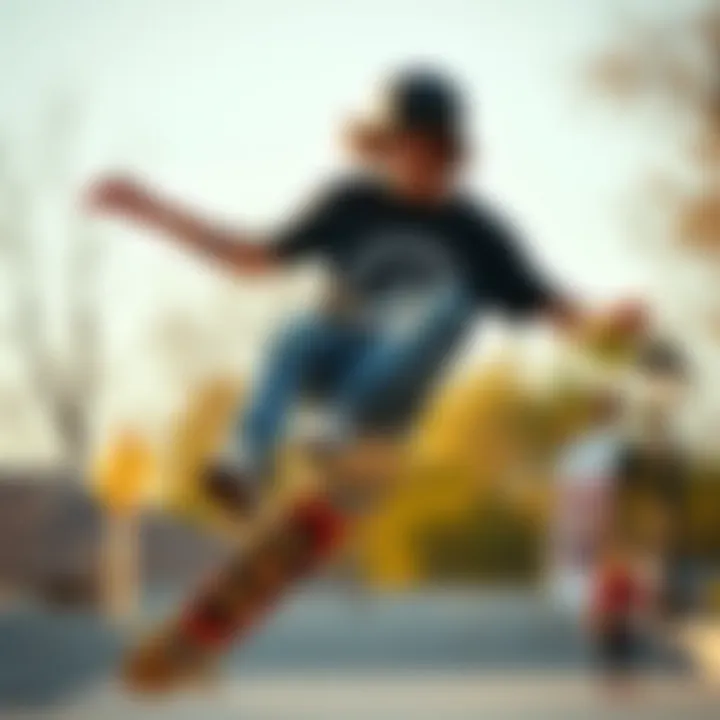
When you step back and look at the early days of skateboarding, you can see that the fashion was about practicality. Riders used durable fabrics, designed mostly for comfort and movement. Baggy jeans and loose tees were the norm, providing necessary freedom of movement for tricks and stunts. The need was straightforward: outfit designed to withstand wear and tear, not necessarily to make a fashion statement.
However, as skateboarding grew in popularity during the late 80s and early 90s, so did the aesthetics surrounding it. Influences from punk rock, graffiti, and street art began to seep in, giving rise to a style that directly challenged conventional fashion norms. The colors became bolder, the graphics more intricate, and the silhouettes shifted.
No longer was skating merely a sport; it encouraged an alternative lifestyle. The popular demand tee exemplifies this shift. With striking designs and clever motifs, these tees started to mirror the attitude and rebellious spirit inherent in skate culture. With the rise of brands like Supreme and Thrasher, tees became canvases, showcasing artist collaborations and representing skateboarding’s subversive spirit.
"Skate fashion has shifted gears from being a necessity to becoming a way to communicate individuality."
Essentially, what was once purely functional morphed into a dynamic platform for personal expression. Skateboards were no longer just wood and wheels; they became part of a broader cultural canvas. Whether it’s a tee emblazoned with a bold graphic or a hybrid piece that merges technology and street cred, the fashion we see today is dense with meaning and intention.
Influence of Iconic Skate Brands
As skateboarding became recognized as a legitimate sport, iconic brands that understood the culture began to flourish. Brands like Vans, Element, and Baker have carved out distinct personalities in the skatewear landscape. These brands were not merely sellers of apparel but purveyors of a lifestyle.
Their influence reaches beyond the products they offer; they shape perceptions of what it means to be a skateboarder. For example, Vans not only produced shoes that catered to skaters’ needs but also built a community around events and sponsorships that amplified skate culture.
The brand narratives articulated through designs and marketing helped cement the notion that skatewear, particularly the popular demand tee, is integral to the culture. It’s not just about comfort anymore; it’s about identity. When someone wears a tee from a brand like Anti-Hero or Powell Peralta, they're donning more than just fabric; they’re representing a lineage, a heritage of skateboarding.
Furthermore, these brands utilize skaters as influencers. The visibility of professional skaters wearing particular tees on social media platforms elevates these pieces from mere clothing to must-haves. A simple screenshot of a pro pulling a trick while wearing a striking tee can send ripples through the market, triggering waves of consumer demand.
In this interconnected world of skate fashion, the transition from functional to fashionable isn’t just a trend; it’s an ongoing dialogue between the subculture and mainstream fashion, one that continues to redefine itself with each passing season. It’s this complex relationship that underscores the significant evolution of skate fashion, presenting an engaging and dynamic landscape for both new and seasoned skaters.
Cultural Significance of the Popular Demand Tee
Skateboarding culture thrives on identity and community, and the popular demand tee stands as a central symbol that encapsulates these elements. It’s not just a piece of clothing; it’s a canvas for self-expression and a badge of belonging. In this section, we will explore how this iconic tee has woven itself into the fabric of skate culture, representing both individual style and the collective spirit of skaters worldwide.
Symbol of Identity and Community
For many skateboarders, the popular demand tee is more than mere fabric. It signifies a community where like-minded individuals bond over shared passions and values. Wearing a tee that features a favorite skate brand or an artist's unique design can forge connections and reaffirm one’s place within a tight-knit group.
- Shared Values: The designs often reflect not only aesthetic preferences but also values like creativity, rebellion, and authenticity. A graphic that resonates on a personal level can ignite conversations between skaters who might not know each other otherwise.
- Visibility and Pride: In the midst of a skate park or on the streets, the tee becomes a visual identifier. It announces, “I am part of this culture!” This shared visibility fosters a robust sense of pride and loyalty amongst its wearers, encouraging them to support the brands and artists behind these designs.
Each shirt can trigger memories, evoke feelings, or even become a part of a skater's personal story. For instance, someone might choose to wear a tee commemorating their first major skate event or featuring the artwork of a beloved local artist. In essence, the tee becomes an artifact imbued with the wearer’s narrative, reinforcing their belonging within the broader skateboarding community.
Connection to Skateboarding Subcultures
The popular demand tee doesn't just connect individuals; it ties into various subcultures within skating itself, each with their own unique flair and identity.
- Street Skating vs. Park Skating: The tees worn in street settings might have more bold, graphic designs that resonate with urban aesthetics, whereas park skaters might opt for designs that emphasize performance and innovation in skate technology.
- Emerging Trends: The rise of eco-conscious skate brands has further diversified the popular demand tee's designs, integrating sustainability into the identity. This aspect connects with younger generations who prioritize social responsibility.
“A tee is like a flag, representing the territory and values of a particular skate tribe.” - Anonymous Skater
Furthermore, as the lines blur between skate culture and mainstream fashion, the popular demand tee emerges at the intersection of various lifestyles. Collaborations between skate brands and high-fashion designers broaden the audience while retaining the grassroots elements that make skate culture relatable and accessible.
Lastly, this tee doesn’t just signify one’s community but acts as a bridge, connecting skaters with artists, musicians, and other creative fields. It encourages cross-pollination, enriching the culture as a whole.
Design Elements of the Popular Demand Tee
Exploring the design elements of the Popular Demand Tee reveals not just the aesthetic choices, but also the deep-rooted functional considerations that have evolved over time with skateboard culture. Understanding these elements is crucial for both skate enthusiasts and those engaged in retailing, as it provides insight into consumer preferences and trends within the skatewear industry.
Key Features that Define the Tee
When it comes to the Popular Demand Tee, certain key features stand out, making it an integral part of any skater's wardrobe. Here are some of the main characteristics:
- Fit and Cut: Most tees come in a relaxed fit, allowing for freedom of movement while performing tricks. The cut often avoids being too tight or too loose, landing somewhere in the middle, which complements a skater's dynamic style.
- Graphic Design: Bold graphics and logos are prominent in skate fashion. These often serve not only as style statements but also as a means of self-expression, allowing wearers to connect with brands or communities.
- Collar Type: A crew neck is the standard for these tees, but variations in collar style can also be found. Some brands might introduce v-necks or even tank styles for warmer weather, adapting to the needs of skateboarders.
- Sleeve Length: Typically, short sleeves dominate the design, but long sleeves are gaining traction, especially in colder climates or for unique looks.
In this landscape, the choice of design elements speaks volumes. The tee serves as a canvas—the designs etch memories and affiliations into its very fabric, making it more than just clothing, but a statement piece about the wearer's identity and preferences.
Material Choices and Practicality
When it comes to the material choices for the Popular Demand Tee, the priorities are both comfort and durability. Here are some elaboration on these choices:
- Cotton and Blends: Most tees use cotton because it's breathable and comfortable against the skin. Blended materials, such as cotton-polyester, are becoming increasingly popular as they enhance durability and wick moisture, which is key during intense skate sessions.
- Sustainability: In the age of conscious consumerism, many brands are exploring eco-friendly materials. Options like organic cotton or recycled fabrics not only appeal to environmentally aware consumers, but they align with the cultural ethos of skateboarding—staying authentic and true to oneself.
- Weight of Fabric: The weight of fabric often plays a crucial role in defining a tee's practicality. Lighter fabrics might be favored for warmer days, while heavier cottons can provide warmth and durability.
"Every choice in material and design stems from a direct desire to create pieces that work for the wearers, allowing them to express their self-identity while maintaining functionality."
Ultimately, the design elements of the Popular Demand Tee encapsulate a balance of style and practicality—each selection made with a keen sense of the skateboarder's lifestyle in mind. This tee, therefore, becomes not just clothing but a reflection of who the wearer is and how they interact with the world of skateboarding.
Contemporary Trends in Popular Demand Tees

The world of skateboarding is ever-changing, and so are the tees that accompany this vibrant culture. Understanding contemporary trends in popular demand tees is crucial to appreciating how these garments fit into the broader tapestry of skate fashion and culture. Recent shifts in style and consumer preferences play a significant role in shaping what’s currently available not only on store shelves but also within the skateboarding community itself.
Current Styles and Patterns
The modern skate sneaker market has seen styles that marry functionality with flair. The current styles in popular demand tees lean heavily into uniquely bold designs, numerous graphic prints, and minimalist aesthetics. You might notice geometric patterns and typography that resonates strongly with urban life. Skaters often favor loose-fitting cotton fabrics, allowing freedom of movement while maintaining style.
Certain graphic designs have become staples; the interplay of art and culture is crucial. For instance, a tee with a clean logo from a renowned skate brand can communicate a lot about the wearer’s affiliations without saying a word.
Popular patterns currently dominating the scene include:
- Stripes: giving a nod to vintage styles, often seen in retro skate graphics.
- Tie-Dye: a playful throwback, appealing to the nostalgia of the '70s, but revamped with modern color choices.
- Abstract Geometrics: allowing for personal expression while still looking effortlessly cool.
- Nature-Inspired Graphics: connecting skaters with the environment that fuels their passion for sport.
Many brands are also testing the waters with seasonal collaborations, where limited-edition tees are produced to capture a specific moment or culture. For example, partnerships with artists not typically in the skate scene introduce fresh aesthetics that help brands stay relevant while honoring the artistry embedded in skate culture.
Color Palettes That Resonate
Color is perhaps one of the strongest tools in the wardrobe of a skateboarder. While personal preferences dictate choices, certain color palettes resonate within the community at large. The contemporary landscape leans towards vibrant hues as well as muted tones, really offering a duality that caters to diverse tastes.
- Earthy Tones: Colors like olive greens and burnt oranges are popular, reflecting a connection with nature and a desire for authenticity.
- Pastels: Soft blues, lavenders, and pinks have crept into the closets, asserting themselves as fresh alternatives for the traditional color schemes associated with skate culture.
- Neon Colors: Brightly colored tees have not completely left the scene, serving both as a statement and a way to stand out in a crowd.
- Monochromes: When in doubt, classic black and white never fails. This palette serves as a versatile foundation for any skater’s wardrobe.
The emotional resonance of color also cannot be ignored. Bright colors can inject energy into a skate session, while muted tones may provide a more laid-back vibe. Considering this, many brands are increasingly adopting a mindful approach in their color choices to ensure they reflect the lifestyle and attitudes embodied by the skateboard community.
As these trends unfold, it becomes evident that the popular demand tee is not just a piece of clothing; it's a reflection of values, a canvas for expression, and a cornerstone of community identity within skateboarding culture. This exploration into styles and colors brings us closer to understanding not just what skaters wear, but also why they choose to wear it.
The current state of the popular demand tee embodies not only heightened aesthetic choices but a strong connection to cultural identity and community.
For those interested in deeper explorations of these contemporary trends, one can always refer to resources such as Wikipedia for historical context or dive into forums on Reddit where enthusiasts share styles and experiences.
The Role of Influencers and Athletes
The landscape of fashion within skateboarding has shifted dramatically, largely due to the substantial influence of athletes and social media figures. These individuals play a critical role in shaping perceptions and driving trends associated with the popular demand tee. Not only do they embody the sporty aesthetics that this apparel represents, but they also connect deeply with the very culture of skating, reinforcing identity and community among enthusiasts. Their visibility and authenticity are vital in bridging the gap between personal expression and mainstream acceptance.
Impact of Social Media on Trends
The rise of platforms like Instagram, TikTok, and YouTube has changed how the skateboarding culture shares styles, skills, and stories. Skateboarders now have the ability to instantly promote their favorite tees, showcasing these garments in videos that reach millions. Trendsetting skate influencers leverage these platforms to highlight their unique styles, often incorporating the popular demand tee in their wardrobe. This visibility helps create a dialogue around what is fashionable and desirable in skating attire.
For example, when a well-known skateboarder posts a photo wearing a specific tee, it can lead to a spike in sales, as fans rush to mimic their style. This phenomenon illustrates the symbiotic relationship between social media and skate culture. It demonstrates how influencers can sway the preferences of their audience, facilitating the rapid spread of trends.
A few points on how social media has influenced skate fashion:
- Real-Time Reaction: Followers can instantly engage, giving brands immediate feedback on style preferences.
- Global Reach: Local trends can quickly gain international attention, pushing the envelope on what is considered fashionable.
- Content Creation: Skate videos often highlight not just tricks but also attire, showcasing how the popular demand tee integrates into daily skating life.
Athletic Endorsements and Their Effect
Other than social media engagement, endorsements from professional skateboarders significantly impact the market for popular demand tees. Brands look to partner with athletes who resonate with their target demographic, allowing for an authentic connection. When a revered skateboarder backs a particular tee, it goes beyond advertising—it's an endorsement of quality and culture. This authenticity creates brand loyalty that is hard to replicate.
Athletic endorsements also bring credibility to specific designs, as enthusiasts trust these athletes' choices. A skateboarder wearing a tee in an X Games competition carries the weight of their reputation, potentially boosting its popularity. Moreover, endorsements often allow lesser-known brands to step into the limelight alongside major players in the industry.
- Increased Visibility: Athletes featured on TV or in competitions frequently attract attention to their gear.
- Cultural Relevance: When influential figures are associated with a tee, it becomes a cultural artifact, symbolizing community and identity.
- Access to New Markets: Authentic endorsements can attract mainstream consumers interested in the edgy appeal of skate fashion.
Sustainability in Skate Fashion
In today’s world, the push for sustainability in all industries has gained significant traction, and skate fashion is no exception. The increasing concern over environmental issues makes it crucial for skateboarders and enthusiasts to recognize the need for eco-friendly practices in their clothing choices. The Popular Demand Tee embodies this shift towards sustainability, promoting not just style but also a commitment to preserving the environment.
Eco-Friendly Materials and Practices
When it comes to sustainable fashion in the skateboarding scene, the materials used in production play an essential role. Here are some materials that have surfaced in the conversation:
- Organic Cotton: Unlike conventional cotton, organic cotton avoids the use of harmful pesticides and fertilizers. This makes it a healthier option for the planet and the users.
- Recycled Polyester: Manufactured from recycled plastic bottles, this material significantly reduces waste and energy consumption compared to virgin polyester.
- Hemp: This durable and fast-growing plant requires minimal water to cultivate. It not only grows quickly but also enriches the soil rather than depleting it, making it an excellent material for apparel.
Moreover, brands are increasingly adopting ethical production practices. This includes fair labor conditions and reducing their carbon footprints through various means, like local manufacturing or transparent supply chains. Many manufacturers now consider water-saving technologies during production, as textile dyeing is notoriously water-intensive. This conscientious approach to sourcing and manufacturing can lead to a lighter environmental load, appealing to environmentally aware consumers who prefer to support brands that reflect their values.
Consumer Awareness and Demand
As skate culture continues to thrive, consumer awareness surrounding environmental issues is on the rise. The modern skateboarder isn't just looking for stylish gears but is also concerned about their impact on the earth. This has led to a shift in purchasing habits—many now favor brands that prioritize sustainability.
- Engagement with Brands: Skate brands that actively promote their sustainable practices often see increased support from consumers. Social media channels provide an excellent platform for brands to share their eco-friendly initiatives, fostering a community that values environmental consciousness.
- Market Response: Businesses are taking notice. A growing number of retailers are beginning to stock and champion sustainable products, adapting their offerings to meet this new demand. As eco-friendly merchandise becomes more prevalent, the skate community is encouraged to be more mindful of their purchases.
"The biggest change comes from being aware—knowing what goes into making the stuff we wear can change everything for the better."
In summary, sustainability in skate fashion is not just a trend but an essential conversation that encourages consumers and brands alike to strive for healthier choices. As skateboarders dive deeper into exploring their identities through the Popular Demand Tee, they also pave the way for a more responsible future in fashion, one that respects both community and environment.
The Market for Popular Demand Tees
The landscape of the popular demand tee has significantly transformed within the skateboarding culture. This section dives into the current market dynamics, exploring retail trends, pricing strategies, and how online platforms have reshaped the buying experience. Recognizing the importance of this market provides insight into consumer behavior and preferences pivotal to understanding skatewear's evolving identity.
Retail Trends and Pricing Strategies
Analyzing retail trends reveals a fascinating shift in how skateboarding apparel, particularly the popular demand tee, is sold and promoted. Traditional brick-and-mortar shops are facing strong competition from online retailers, but they are adapting by integrating more unique, localized offerings. In-store events, exclusive launches, and collaborations with local artists or skaters have become quite common, enticing customers to step inside.
However, the pricing strategies adopted by retailers are where it gets really interesting. Skaters are often mindful of their budgets, yet they desire high-quality, stylish gear. As such, brands often use a tiered pricing model:
- Budget-Friendly Options: This caters to younger audiences or those new to skateboarding, often featuring simplified designs or materials. Brands like HUF and Element offer tees that balance quality with cost.
- Mid-Range Selections: These products often employ better materials and unique designs, appealing to dedicated skaters. For example, brands like Santa Cruz provide tees that showcase art and graphics, attracting enthusiasts who value individuality.
- High-End Offerings: Limited editions or artist collaborations are priced higher. Brands like Supreme capitalize on scarcity marketing, where their tees become collectibles, often selling out within minutes.
Pricing remains a balancing act between perceived value and affordability. This leads to the frequent use of promotions or seasonal discounts that can entice both new customers and loyal followers alike, ensuring steady traffic for retailers.
The Role of Online Platforms
Online platforms have completely revolutionized the way popular demand tees are marketed and sold. In today’s digital age, choices are vast, making it possible for consumers to explore an array of designs and options without ever stepping foot in a store. Here’s how these platforms are shaping the market:
- Wider Reach: Brands can connect with a global audience, breaking geographical barriers. Websites like Etsy and eBay allow small businesses and independent creators to showcase their designs to a worldwide clientele.
- Social Media Influence: Platforms like Instagram and TikTok have made it easier for brands to advertise their products through influencer collaborations. A simple post or a story featuring a popular demand tee can lead to a spike in sales overnight, driven by trusted voices in the community.
- Customization Options: Several online shops provide customization features, allowing customers to create a personal touch to their tees. This can significantly enhance brand loyalty, as skaters often form emotional connections with unique pieces that carry their personal flair.
- Sustainability Practices: Many online retailers prioritize eco-conscious practices, appealing to a growing demographic of environmentally aware consumers. Platforms that highlight sustainability in their shipping methods or materials often gain traction among ethically-minded skaters.
Ultimately, the dual influence of evolving retail strategies and the prominence of online platforms underscores the complex nature of the market for popular demand tees. It enables skate enthusiasts to express their individuality while also supporting larger cultural conversations around fashion, community, and sustainability.
"The skateboarding tee has transcended mere functionality, becoming a canvas for personal expression and community identity."
To explore more about the trends in skateboard apparel, check out resources like Wikipedia, or join discussions on Reddit.
Understanding these aspects can not only advance retailer strategies but also enhance consumers' purchasing choices as they dive deeper into the world of skate culture.
Customization and Personalization
Customization and personalization have emerged as vital components of the popular demand tee, significantly shaping its appeal in the skateboarding community. This fascination goes beyond mere aesthetics; it reflects a deep need for individuality in an environment that thrives on self-expression. The concept of personalizing apparel not only allows enthusiasts to convey their identity but also fosters a stronger connection among members of the skateboarding culture.
The Rise of Personalized Apparel
Personalized apparel has seen stellar growth, bolstered by advancements in technology and changes in consumer behavior. In the past, skate tees typically featured a set design or logo, often dictated by brand guidelines. However, the appetite for something more unique has led to the rise of options that cater to personal tastes. On-demand printing, online design platforms, and local screen printers enable individuals to put their stamp on their clothing.
For instance, many skateboarders are now opting for tees that feature custom graphics, individualized slogans, or even their artwork. This form of expression is not merely a trend; it's a way for individuals to stand out on the skate park. It allows them to celebrate personal milestones, such as a first successful trick or a memorable skate session. By wearing a shirt that tells their story, they communicate their journey to others.
Benefits of personalizing merchandise include:
- Enhanced Personal Connection: Wearing gear with their own designs fosters a sense of pride.
- Belonging: Personalized elements can create a feeling of inclusion in specific skate communities or brands.
- Innovation and Creativity: Encourages creative expression, pushing boundaries within the skate aesthetic.
Impact on Brand Loyalty and Community
The trend towards customization also has significant repercussions for brand loyalty. When brands offer personalized options, they invite customers into their creative process, cultivating a sense of ownership. This change nurtures a community atmosphere where brands and wearers forge stronger connections.
Moreover, when skateboarders proudly display customized tees reflective of their identity, it promotes engagement among peers. The interaction among community members is heightened, as they recognize similar interests, styles, or narratives. This can foster networking opportunities, collaborations, and even friendships.
"Customization turns clothing into personal history, serving as a canvas for both individual expression and shared experiences within skate culture."
In addition, a brand that prioritizes personalization is often seen as more approachable and relatable. Consumers are increasingly drawn to companies that offer an interactive experience. They want a brand that's not just selling a product, but one that understands and values their lifestyle. As skateboarders continue to seek authentic connections, brands that fail to adapt risk losing ground in this ever-evolving conversation.
Overall, customization and personalization not only reflect an individual's flair but serve as pivotal elements in knitting together the fabric of skateboarding culture. Through customized apparel, individuals can leverage their unique stories, driving both personal satisfaction and deeper community bonds.
Epilogue: The Continuing Influence
In the world of skateboarding, where culture and individuality collide, the popular demand tee stands as an emblem of both style and community. Its role transcends mere fashion—it's a vehicle for social commentary, personal expression, and heritage preservation. This tee isn't just a piece of clothing; it represents a lifestyle, encapsulating the ethos of a generation that values authenticity and creativity.
The Popular Demand Tee as a Cultural Artifact
The popular demand tee has evolved into a cultural artifact within the skateboarding community. This garment tells a story, rich in creativity, rebellion, and authenticity. The designs often reflect regional influences, personal anecdotes, and even social issues, connecting wearers to a larger narrative that extends beyond the skatepark.
"A t-shirt can be a bridge between individuals, uniting them under shared ideals and aesthetics."
The unique artwork found on these tees frequently features collaborations with local artists or skate legends, infusing each shirt with local culture and pride. Skate shops and brands that promote these tees are not merely selling fabric; they are curating a narrative that values community, creativity, and the spirit of skateboarding. Furthermore, the evolution of this tee from utility to statement piece underscores its significance—what started as a basic wardrobe item has morphed into a canvas for self-expression.
Future Trends to Watch
As we look ahead, several trends seem poised to shape the future of popular demand tees in skateboarding culture. First, the demand for sustainable materials is increasing. Many brands are now trending toward eco-friendly practices and sourcing. This shift not only caters to the environmentally conscious consumer but also aligns with the values of skateboarding culture, which often champions localism and ethical practices.
Second, customization will continue to be a key driver of sales and engagement. As retailers harness technology, we can expect more innovative customization options that allow skaters to create unique designs that resonate with their identity. From choosing graphics to selecting cuts and colors, the ability for individuals to express their personality through their tees is likely to thrive.
Additionally, collaborations within various realms—between skateboarders, musicians, and other artists—will further enrich the scene. These joint efforts can lead to innovative designs that appeal to diverse audiences, expanding the reach and influence of skate culture globally.