Exploring Inline Skates That Attach to Shoes
Intro
Inline skates that attach to regular shoes represent a fascinating fusion of practicality and innovation in the world of skating. Gone are the days when you needed to commit to a specific pair of skates. Instead, this novel concept opens the door to a more versatile skating experience.
The idea is simple yet revolutionary: it allows anyone who enjoys skating to easily adapt their everyday footwear into functional inline skates. This design not only encourages casual users to participate but also entices seasoned skaters looking for a lightweight option when on the move. As this article will explore, the technology behind these skates is as compelling as their usability.
We’ll investigate their historical origins, understand the benefits they offer, and look into personal user experiences that highlight their growing popularity. Alongside that, we'll keep an eye on safety considerations, analyzing how these modifications impact both the culture of skating and the evolution of skateboarding gear.
As demand increases from both casual users and serious enthusiasts, it’s essential to grasp the potential impact of these inline skates on individuals and the community at large. Let's dive deeper into this exciting terrain of modern skating.
Skills and Techniques
To fully appreciate the inline skates that attach to shoes, one must first understand the fundamental techniques and skills required to navigate them efficiently. While they offer great versatility, mastering the skills to ride safely and enjoyably is paramount whether you're a newcomer or a veteran.
Fundamental Tricks
Starting with the basics, several fundamental tricks can be performed, even by those new to skating. These include:
- Gliding: Learning to balance well on the skates while smoothly moving forward is crucial. A natural posture, keeping your knees slightly bent, helps maintain stability.
- Stopping: One of the most essential skills is knowing how to effectively stop. While traditional skates have heel stops, shoe-attached skates often require a more friction-based technique like dragging a foot or executing a T-stop.
- Turning: Simple turns can be accomplished by shifting weight from one foot to another. This maneuver is not only practical but also essential for navigating more complex paths.
Advanced Maneuvers
For those who feel comfortable on their skates, advancing to more complex tricks is the natural progression. Engaging in these maneuvers requires a solid foundation and can significantly elevate one's skating experience. Some advanced techniques include:
- Crossovers: This lateral movement enhances speed and aids in tighter turns. As you gain skills, practice crossing one skate over the other while turning to improve your agility.
- Pivots: This technique allows for quick direction changes and is especially useful in crowded areas or during races, requiring a firm grip and stable stance.
- Jumping and Grinds: These tricks introduce aerial dynamics and engaging with obstacles, which can be exhilarating but also demands a high level of control and safety awareness.
When starting with inline skates that attach to shoes, invest time in practicing these skills, and you’ll find the experience not only enjoyable but also rewarding.
"The artistry of inline skating transforms the mundane into the extraordinary, blending style with skill to redefine the joy of movement."
The ability to attach skates to shoes radically changes the game for skaters of all levels, offering a flexible approach to enjoying the sport. However, the journey to mastering skating remains as essential as ever.
Prelims
Inline skates that attach to shoes, although a relatively novel concept, present a fascinating intersection of convenience, mobility, and personal expression. The importance of exploring this topic lies in how it caters to a diverse range of individuals—be it casual skaters enjoying sunny afternoons or serious enthusiasts looking to enhance their skills. The versatility of these skates not only provides an engaging way to navigate urban landscapes but also emphasizes innovation in sports equipment.
What makes this design particularly significant is the balance it strikes between simplicity and functionality. Unlike traditional skates, which often require dedicated footwear, attachable inline skates allow users to keep their favorite shoes on while still enjoying the thrill of skating. This ease of use expands the potential audience, opening the doors to those who might have previously felt intimidated by the sport.
Moreover, as urban environments evolve and more people look to active modes of transportation, the appeal of these skates continues to rise. Users appreciate the ability to transition from walking to skating without the hassle of switching footwear, making it not just a sport, but a practical lifestyle choice. The potential benefits include:
- Cost savings: Users save on dedicated skate shoes,
- Ease of storage: These skates can be carried easily, taking up far less space than traditional models,
- Social acceptance: Inline skating, with its sleek and modern design, often fits seamlessly into various social settings.
As the article unfolds, we will delve into the historical context of inline skating, analyze technological advancements that have made these skates possible, and explore user experiences. Each of these elements highlights the growing significance of attachable inline skates in both the skating community and beyond.
"The ease of being able to skate, while wearing my favorite kicks, changed the way I view transportation in the city."
Through this exploration, we aim to shed light on how inline skates that attach to shoes are not just a fleeting trend but rather a dynamic component of contemporary skating culture.
Historical Context of Inline Skating
Understanding the historical context of inline skating is crucial to grasping the significance of skates that attach to regular shoes. Inline skating, as a sport and a lifestyle, evolved through the centuries, adapting to societal changes and technological advancements. This evolution highlights how enthusiasts sought practicality and convenience, which ultimately paved the way for the innovations we see today, including attachable inline skates. The roots of this skating phenomenon provide insight into the motivations for design and functionality that resonate with contemporary users, guiding us toward a future that balances tradition with modern needs.
The Origins of Inline Skating
The story of inline skating traces back to the early 18th century, where it first emerged as a form of entertainment. The first documented inline skate appeared in 1760, invented by a Belgian named Joseph Merlin. He designed a contraption with wooden wheels, meant to glide on stage. While this initial model seems rudimentary now, its design laid the groundwork for inline skates. Merlin’s invention inspired an array of European inventors to experiment and improve skating technology, leading to various designs.
Yet, it wasn't until the 1980s when inline skating really began taking shape in the form we know today. The introduction of polyurethane wheels and the refinement of skate designs made skating more accessible, appealing to a wider audience. As inline skating gained traction, it became evident that a portable option would meet the needs of a fast-paced society.
Evolution of Inline Skates
Fast-forward to the late 20th century, when inline skating exploded in popularity in urban areas. The rise of the "roller blade" sparked a new wave of interest, introducing skates that were more user-friendly and stylish. Now, inline skates are no longer confined to concrete parks or smooth sidewalks. They’ve seamlessly integrated into urban life, allowing enthusiasts to skate between locations without hassle.
What truly revolutionized inline skates was the introduction of attachable models. Modern advancements in technology made it possible to create skates that not only provided a solid glide but were also designed to fit onto regular shoes. This innovation appealed particularly to those who sought convenience. Now, skaters could experience the thrill of gliding without the need for bulky, traditional skates that required dedicated storage and transportation. Attachable inline skates emerged as a timely solution for a new generation of users who appreciated practicality without compromising on performance.
By examining the evolutionary phases of inline skating, we see how functional needs shaped designs. The history of this sport is a narrative of exploration and ingenuity, driven by a community that valued both leisure and mobility.
"The evolution of inline skates reflects our ever-changing needs as a society, where convenience and adaptability hold increasing importance in our daily lives."
In this context, we recognize that understanding the ancestry of inline skates is essential to appreciating their future developments, particularly those that merge traditional functionality with modern-day convenience, like the attachable versions.
Technological Advancements
In the realm of inline skating, technology has woven an intricate tapestry of innovation, giving rise to a new breed of skates that attach seamlessly to regular shoes. This section delves into the groundbreaking advancements that have made these skates not just a fun accessory, but a serious contender in the world of skating. By bridging the gap between traditional skates and modern footwear, these innovations offer substantial benefits to users from various backgrounds.
Key Features of Attachable Inline Skates
The design of attachable inline skates comes packed with features aimed at enhancing performance and user experience. To give a clearer picture, consider the following key features:


- Ease of Attachment: The mechanism that facilitates attaching and removing the skates has improved significantly. Users can typically snap these skates onto their shoes within seconds, forgoing the cumbersome process often associated with traditional skates. This rapid setup is crucial for those looking to skate on the go.
- Adjustable Fit Systems: Many modern models are outfitted with adjustable straps and buckles, providing a custom fit for a range of shoe sizes. These systems not only enhance comfort but also boost stability while skating, minimizing the risk of accidents.
- Performance Wheels: The wheels on attachable skates have been engineered to accommodate different skating surfaces. Whether it’s a smooth pavement or a rough trail, these wheels promise to deliver a consistent skating experience, reducing vibrations that can lead to fatigue.
- Braking Systems: Innovations in braking mechanisms mean skaters can come to a halt efficiently anytime. Some models now incorporate advanced friction systems that make stopping smoother and safer.
"With attachable inline skates, the joy of skating is no longer a hassle; it's accessible, quick, and versatile."
Materials and Durability
The longevity and durability of attachable inline skates heavily depend on the materials employed in their construction. In recent years, manufacturers have turned to advanced composites and synthetic materials to ensure skates remain robust while staying lightweight. Here are some materials typically used and their significance:
- Reinforced Plastics: Used in the outer casing, these materials provide a solid shell that stands up to wear and tear, protecting the internal mechanisms from damage.
- Aluminum Frames: Lightweight yet strong, aluminum offers structural integrity without adding unnecessary bulk to the skates. This optimal weight distribution fosters agility and ease of movement.
- High-Performance Urethane Wheels: Known for their resilience, urethane wheels are resistant to abrasion and deformation, ensuring a reliable performance over time. They maintain their shape and grip even after extensive use.
- Breathable Linings: Comfort isn’t overlooked. Linings made from breathable materials ensure that skaters don’t have to deal with excessive heat buildup, allowing for longer skating durations without discomfort.
Mechanics of Attachable Skating
The mechanics behind attachable inline skates play a pivotal role in ensuring a seamless transition between walking and skating. Understanding how these skates function is crucial, as it not only highlights their practicality but also showcases their unique selling points compared to traditional skates. With their ability to attach directly to shoes, users enjoy a level of convenience that aligns with modern on-the-go lifestyles. This section dissects the intricate components and features integral to these skates, emphasizing their benefits and any considerations that need to be taken into account.
Attachment Mechanism Explained
The attachment mechanism of inline skates is a technological marvel that deserves careful attention. It's the heart of the device, determining how securely the skates bind to the user’s shoes. Most commonly, manufacturers employ a locking system, often utilizing shoes with a compatible base or connector.
- Types of Connectors: The connectors themselves vary in design. Some skates may feature clips or hooks that fasten securely to a specialized base. Others might utilize a universal fitting interface, which allows for more flexibility across different shoe types.
- Securing the Fit: A reliable mechanism ensures that the skates remain in place, reducing the risk of detachment during use. For example, the GlideGear model employs a dual-button lock, providing excellent security while still allowing for a quick release when needed. It’s advisable to test the attachment system thoroughly before venturing out, to ensure confident skating.
The importance of a sturdy attachment cannot be overstated. If the skates detach mid-stride, it could lead to serious accidents, and this is a critical point for potential users to consider. Thus, understanding how the attachment mechanisms function can greatly enhance user experience and safety.
Adjustability and Fit
Adjustability is a crucial feature of attachable skates, allowing for a customized experience for each user. Not only should the skates fit well, but they should also be adaptable to different shoe sizes and shapes.
- Size Variability: Many models include adjustable straps or a sliding mechanism. This is key because it caters to a wider audience; from casual weekend warriors to seasoned skaters. You don’t want a pair that’s too tight or loose, as comfort can make or break a skating session.
- Personalization Options: Additionally, some brands have started to integrate foam padding or additional supports that can be tailored based on how the user feels during their skating sessions. This can help in achieving a more secure fit, ultimately enhancing control while skating.
In deciding which attachable inline skates to purchase, it’s beneficial to prioritize comfort and fit, as this can dramatically influence performance and enjoyment. The ability to adjust ensures that the skater can maintain balance and stability, especially during long sessions or tricky maneuvers.
“A good fit can make the difference between a smooth glide and an unexpected tumble.”
By understanding these mechanics, users can make informed choices about which models best suit their needs, enhancing their overall inline skating experience.
Advantages of Inline Skates That Attach to Shoes
The benefits of inline skates that can be attached to regular shoes extend far beyond mere convenience. As urban lifestyles become more fast-paced, individuals seek adaptable solutions that enhance mobility without compromising comfort or style. This section explores the significant advantages that these innovative skates provide, particularly for those straddling the worlds of casual recreation and serious skating.
Convenience and Portability
One of the standout benefits of attachable inline skates lies in their convenience. Imagine transitioning from walking to skating without the hassle of changing footwear. The ability to clip on and off skating systems means that users can easily pack their skates into a bag or backpack, ready to whip them out when the opportunity strikes. This portability is particularly appreciated by commuters. With these skates, a simple trip to the shop can turn into a brief skate session, adding enjoyment to daily errands.
- Easy Storage: Traditional inline skates can be bulky and cumbersome. In contrast, attachable skates require little space, making them suitable for anyone living in an apartment or sharing rooms.
- Quick Setup: The mechanism to attach and detach is typically straightforward, enabling skaters to get rolling in just seconds rather than fumbling with laces or buckles, which can often become a hassle.
"With attachable inline skates, it’s like carrying a part of your sporty self wherever you go."
Cost-Effectiveness Compared to Traditional Skates
Comparing these adjustable skates to their conventional counterparts reveals a stark difference in cost-effectiveness. Traditional inline skates demand significant investment upfront and in gear. When you’re looking at specialized equipment, the prices can skyrocket, particularly for high-end models designed for serious skaters.
- Single Investment: A pair of attachable skates can often breathe new life into existing shoes, negating the need for an entirely separate purchase. For folks who already own a satisfactory pair of footwear, the cost of entry becomes significantly lower.
- Long-term Durability: Many attachable skates are made from robust materials that promise considerable longevity. This resilience means that even on rough use, these skates are resistant to wear and tear far better than standard inline pairs.
Given the economic pinch some enthusiasts face, particularly since the pandemic, budget-friendliness plays a crucial role in purchase decisions, making these skates a wiser choice for many.
Adaptability for Different Environments
Another critical advantage is the adaptability of attachable inline skates, which cater to various environments and user needs. Whether it’s cruising on smooth sidewalks, dashing across rough terrain, or gliding through park paths, these skates can adjust to fit multiple situations.
- User Versatility: From beginners who might need stability to experienced skaters looking for quick travel solutions, this concept meets various skill levels. Adjustments in the attachment system can lend more stability for newer users or allow for more advanced maneuvers for seasoned skaters.
- Customization Potential: What's intriguing is that many products also cater to personal style. Users can attach skates to shoes of different styles and comfort levels, ensuring a unique experience that matches personal tastes and preferences.
In summation, inline skates that can be attached to shoes represent a modern evolution in personal transportation. Their convenience, cost-effectiveness, and adaptability make them suitable for a variety of circumstances, encouraging a wider demographic to engage with skating culture. As these innovations continue to evolve, we can expect even more enhancements to bolster their appeal.
Potential Drawbacks
While inline skates that attach to shoes offer numerous advantages, they are not without their shortcomings. Understanding potential drawbacks is just as crucial as recognizing the benefits. This section delves into key considerations that users should keep in mind, from stability issues to the learning curve that new skaters may face.
Stability Concerns
One of the primary concerns with attachable inline skates revolves around stability. Unlike traditional inline skates which are designed as a single unit, these skates hang onto the existing structure of your shoes. This can sometimes create a less secure feeling while skating.
- Wobbling: If not attached properly or if the connection point is not suited for the user’s shoe type, it could lead to a wobbly skating experience. This wobbly feeling might discourage users from skating at higher speeds or tackling varied terrains. Many users reported feeling "a bit shaky" during their first few outings, getting used to the new dynamic.
- Ankle Support: Inline skates typically provide significant ankle support, but attachable versions may lack this fortification because the shoes’ design varies greatly. Shoes with low tops might leave your ankles vulnerable to strains and twists. Users might find that after long skating sessions, their ankles feel fatigued because the engage point lacks sufficient support.
"I felt cautious while cruising downhill, the detachment from my shoe just made me feel less certain," one user shared in a skating forum.
Learning Curve for New Users
Another aspect to consider is the learning curve for individuals new to inline skating. Those who already have experience might find the transition easier. However, for beginners, the novelty and different mechanics can be bewildering.


- Foot Controls: New users might struggle to find balance while they figure out how to manage basic foot movements. Unlike standard inline skates that fit like a glove, the add-ons require users to still learn how to maneuver with both their shoes and the attachments. It’s like trying to dance a new rhythm to a song you just heard—some are bound to trip up.
- Adjustment Period: Learning to skate on attachments might demand more patience than anticipated. It’s not merely about stepping on and rolling away; rather it involves coordination and body awareness that takes time to develop. Beginners often find themselves needing more practice to avoid falls and maintain composure, especially when making turns or stopping suddenly.
In summary, while attachable inline skates have opened the door for more people to enjoy the sport, they also bring certain challenges that should not be overlooked. The issues of stability and the essential learning curves represent critical factors that influence user experience. Understanding these obstacles can guide prospective users in making informed decisions.
User Experiences and Testimonials
User experiences and testimonials play a critical role in understanding the practical implications of inline skates that attach to shoes. These voices offer insights that go beyond the technical specifications and marketing claims, providing real-world applications and feelings that many would find relatable. In a world increasingly dominated by personal narratives, hearing from both casual enthusiasts and professional skaters gives this article depth and perspective, bridging the gap between product features and user satisfaction.
Feedback from Casual Users
Casual users often highlight their journey with attachable inline skates, sharing tales of excitement and challenges. A common sentiment that surfaces is the sheer convenience these skates offer. Picture a vibrant park where families are mingling, and instead of lugging around a heavy pair of traditional skates, users craftily slip on their inline skates over their favorite sneakers. "It’s like going from zero to sixty in a blink," shares Emily, a weekend warrior who enjoys skating around her neighborhood. This convenience resonates especially with those who prefer a more spontaneous and laid-back approach to skating.
From this demographic, several important benefits are emphasized:
- Practicality: Being able to transition fluidly from walking to skating without a gear shift is a game changer, particularly for those hopping on-and-off public transport.
- Comfort: Many report that attaching skates to shoes offers a surprisingly comfortable experience, often noting that it feels more natural than traditional setups.
- Versatility: Users express satisfaction with the ability to skate in familiar footwear, which allows for expressing personal style without sacrificing sporty endeavor.
However, it’s not all rosy. Some casual skaters mention the learning curve associated with proper attachment and balance. "The first couple of times, I felt like I was trying to skate on stilts," notes Tom, a newcomer to skating. Real experiences like these provide potential users with the real talk they need, mitigating expectations and helping with the transition process.
Insights from Professional Skaters
The input from professional skaters adds another layer of depth. These athletes often approach inline skating with a critical eye, issuing reviews based on performance and durability. One pro skater named Sarah recalls her attempt at integrating attachable inline skates into her routine. "I was skeptical at first," she confides, but was pleasantly surprised by the balance and agility that these skates provide.
Among the professional community, the following insights frequently emerge:
- Performance: While some traditionalists might root for conventional skates, many professionals appreciate the innovative approach. A common point made is that although these skates might not replace high-performance gear, they can serve well for training sessions or for recreational competitions.
- Safety and Control: Pros underline the importance of testing the skates in controlled environments before hitting busy spots. The right fit and secure attachment are paramount to enhance maneuverability.
- Commitment to Innovation: The skate community seems to rally around any advancement that genuinely augments the skating experience. The passion for new designs, such as those allowing for mounting and dismounting ease, is strong among high-level users.
Professional skaters often serve as ambassadors for championing safety and clear performance standards within a thrilling sport. Their testimonials remind the market of the exciting possibilities while concurrently safeguarding novice enthusiasts.
"Inline skating isn't just a leisure activity; it's a way to cultivate freedom. Every skater’s journey is unique, and by sharing our experiences, we foster a strong community, engaged and informed." – Malcolm, professional skater
As these narratives unfold, they establish a pivotal connection that illustrates the diverse experiences within the skating landscape. From casual users enjoying backyard fun to seasoned pros navigating competitive realms, testimonials and feedback are invaluable in navigating choices in inline skating.
Safety Considerations
When it comes to inline skating, particularly with attachable skates, safety should never take a back seat. These skates offer a unique convenience, but they also come with their own set of risks. Ensuring user safety not only enhances the overall experience but also encourages more people to take on this activity, knowing they are well-protected. The following sections will delve into key safety gear recommendations and best practices that every skater should consider.
Protective Gear Recommendations
The right protective gear is your first line of defense when skating. Whether you’re a seasoned skater or just starting out, wearing the appropriate equipment can make a significant difference in your safety and comfort. Here’s a list of essential gear:
- Helmet: The first and foremost item, a good helmet can mean the difference between a safe landing and a serious injury. Look for one specifically designed for skate sports for maximum protection.
- Knee Pads: Skating often includes falls, especially while learning or in urban settings, where obstacles lurk around every corner. Knee pads can cushion blows and prevent painful scrapes and bruises.
- Elbow Pads: Similar to knee pads, elbow pads offer protection for your joints. They help absorb the impact and are vital when you are getting used to new skate types.
- Wrist Guards: These are crucial in preventing wrist injuries, which are common during falls. Flexible options allow for a good range of motion while providing support.
- Shoes: Since inline skates attach to regular footwear, it’s imperative to choose shoes that are sturdy yet comfortable. Skating shoes should have a firm sole and good ankle support to ensure balance.
Lastly, while visual appeal can be tempting, don’t compromise protection for style. Look for gear that meets industry safety standards and provides robust defense against falls and collisions.
Best Practices for Safe Skating
Safety goes beyond gear; it also encompasses how you practice your skating. Understanding the fundamentals and being mindful of your surroundings can significantly enhance your skating experience. Here are some best practices:
- Warm-Up: Before hitting the pavement, do a proper warm-up. Stretching can help loosen your muscles, making you less prone to injuries.
- Choose Safe Locations: Select areas free of heavy pedestrian traffic, potholes, and other hazards. Parks or dedicated skating paths are ideal to practice your skills.
- Stay Aware: Always keep your head up and look ahead. Being alert to your environment, including nearby skaters or obstacles, can prevent accidents.
- Practice Falling: It may sound strange, but knowing how to fall correctly can save you from serious injury. Try to roll with the fall rather than sticking your arms out, which can lead to fractures.
- Skate with Others: There's safety in numbers. Skating with friends not only makes the experience more enjoyable but also means someone is there to assist in case of an emergency.
- Know Your Limits: Don’t push yourself too hard, especially when mastering new skills. Take your time, and gradually increase your difficulty level.
By prioritizing safety through gear and practices, skaters can enjoy the thrilling experience of inline skating while minimizing risk. For anyone keen on embracing the skate culture, acknowledging these safety considerations is pivotal in fostering a positive and secure environment.
Market Trends in Inline Skating
The dynamics of inline skating are shifting, driven by an increasing interest among younger generations and the continuous evolution of the technology behind inline skates that attach to shoes. Understanding these market trends is crucial, not only for enthusiasts wanting to stay ahead of the curve but also for manufacturers looking to cater to the demands of a changing demographic. These trends indicate a wider acceptance and integration of skating culture into mainstream society, reflecting a growing appreciation for urban mobility and recreational activities.
Rising Popularity Among New Generations
Today's youth are increasingly looking for ways to express themselves, and inline skating is reemerging as a coveted avenue for this expression. With social media platforms showcasing extreme sports athletes, the attraction to inline skating has surged, especially among teenagers. The convenience of attachable inline skates makes them an appealing option—no need for bulky gear when you can simply clip on your skates after school or during a break with friends.
Moreover, retro trends are making a comeback, and young skaters are embracing the nostalgia of inline skating as a fun and fashionable pastime. This resurgence is visible in local skate parks, where you might see kids gliding past on colorful, stylish attachable skates, often sharing their experiences online. The ability to customize skates not just for performance but also for style enhances their allure and invites creativity.
"With attachable inline skates, we’re seeing a fusion of practicality and style that appeals to today’s youth. It's not just about skating; it's about showcasing your own identity in the process."
Emerging Brands and Innovations
As the popularity of inline skates that attach to shoes grows, new brands are entering the market with innovative designs and technologies. Established names like Rollerblade and K2 are continuously evolving their lines with improvements in functionality and comfort, but newer brands are also making their mark. Brands such as Hoverskate and Swagtron are experimenting with features like smart technology, where inline skates can connect to mobile applications for tracking performance metrics.
In addition, the push for sustainable materials in production is gaining traction. Many emerging companies are incorporating recycled plastics or biodegradable materials into their designs, responding to environmental concerns from their customer base.
This shift not only meets consumer expectations but also positions these brands at the forefront of eco-friendly urban mobility solutions. Investors and users alike should keep an eye on these innovations, as they may dictate the future landscape of inline skating experiences.
Some notable advancements and trends include:
- Smart Features: Integration of fitness tracking and augmented reality into the skating experience.
- Customization: Brands offering skates that can be personalized in colors and designs.
- Sustainable Materials: The rise of eco-conscious production methods.
The Cultural Impact of Inline Skating
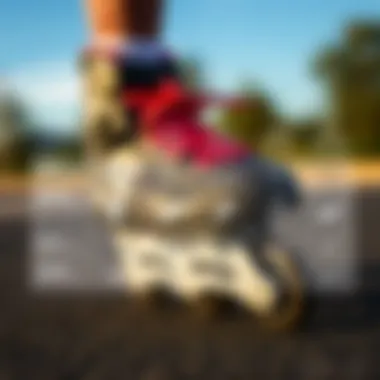
The cultural significance of inline skating extends far beyond the actual activity of skating itself. It serves as a bridge between freedom of movement and urban expression, where enthusiasts not only glide through streets but also leave a mark on the modern lifestyle. Inline skates that attach to regular shoes play a pivotal role in shaping this experience.
Inline Skating in Urban Environments
Inline skating has become synonymous with urban culture. Skaters traverse city landscapes, be it weaving through traffic or cruising along waterfronts. The adaptability of inline skates that connect to shoes offers a sense of freedom coupled with convenience, allowing users to seamlessly integrate skating into their daily routines.
Many urban centers have embraced this culture, creating designated skate parks or open spaces that cater specifically to inline skaters. For instance, in places like Venice Beach, California, the skate scene is not just about the sport; it’s a lifestyle, a community activity, and an art form. The artistic expressions can be spotted in the vibrant outfits skaters wear, often reflecting trendy street styles that help define personal identities within the urban landscape.
Moreover, these attachable skates have democratized the sport, making it accessible for a wider range of people. The ability to switch between skating and normal walking creates an inclusive environment where everyone can participate, regardless of their skill level. When skaters showcase their tricks or speed in these urban settings, they attract spectators, which boosts community engagement and encourages new participants to join in.
Influence on Skateboarding Community
Inline skating's interplay with the skateboarding community is another aspect of cultural impact. Although distinct, the two share a common foundation in terms of style, attitude, and passion for motion. Both disciplines focus on balance, agility, and creativity, forming a unique kinship that often leads to cross-influence.
The rise of inline skates that attach to shoes has ushered in a level of versatility reminiscent of skateboarding. Skaters can personalize their skating experience, tailoring their setup to match their preferences or the demands of the environment. This flexibility has not only enriched inline skating but has also re-energized the skateboarding community, inspiring skateboarders to experiment with inline skates and vice-versa.
As both communities nurture each other, events and gatherings often serve as melting pots, uniting enthusiasts from both worlds. Competitions are organized, showcasing skills that highlight the best of both skateboarding and inline skating. The resulting camaraderie fosters a robust culture of sharing techniques, storytelling, and support.
“The convergence of skateboarding and inline skating communities indicates a growing acceptance of diverse forms of expression in motion, allowing a broader appreciation for individual styles.”
This interconnectedness fuels a vibrant lifestyle that embodies creativity and innovation. Ultimately, the cultural impact of inline skating—particularly in how it influences, and is influenced by, its skateboard counterpart—illustrates a dynamic interplay that enhances both forms of skating.
By understanding these cultural elements, one can appreciate that inline skates that attach to shoes are more than mere sporting equipment; they are a gateway to a multifaceted lifestyle enriched by community, creativity, and urban exploration.
Future Outlook
The future of inline skates that attach to shoes is quite noteworthy, blending convenience with innovation. As we’ve seen, these skates are not just a passing trend; they represent a real shift in how people engage with skating. This section delves into potential advancements and societal implications that will shape the direction of this niche market. By examining coming innovations, environmental considerations, and user adaptability, we can appreciate where this exciting gear is headed.
Innovations on the Horizon
With technology’s rapid advancement, the inline skate industry is ripe for disruption. One upcoming innovation involves smart technology integration. Imagine inline skates equipped with sensors that track speed and distance. This data could sync with mobile apps, offering users personalized feedback. Such integration may also include GPS features, allowing users to discover new trails or skating locations in real-time.
Another area of development could focus on enhanced materials. Brands might explore lightweight composites, which would reduce bulk while maintaining durability. This not only enhances performance but may also attract a broader audience, including those who currently shy away from traditional skates. Various manufacturers are experimenting with recyclable materials to create skates that are gentler on the planet. Such transformations can help inline skating shed its image as solely a recreational pursuit.
"The beauty of innovation is that it continuously reshapes our world, bringing new ideas that invite everyone to partake in activities we love."
As customizability becomes a hot trend, we can expect a rise in brands offering build-your-own skate options. By allowing users to select colors, aesthetics, and even wheel configurations, skating could become a more personalized experience, engendering deeper connections with the product.
Sustainability in Inline Skating Products
The push for sustainability is evident across industries, and the inline skating realm is no exception. As consumers become more conscious of their ecological footprint, brands will need to thoughtfully address how their products impact the environment. This means integrating more sustainable practices in sourcing materials and designing skates.
A key area here lies in biodegradable components. Inline skates traditionally involve plastics that can take hundreds of years to decompose. However, some innovative companies are beginning to experiment with biodegradable resins that break down more naturally, reducing waste in landfills.
Additionally, more brands might opt for sustainable manufacturing processes that consume less energy and produce fewer emissions. A transparent supply chain also plays a role; consumers increasingly appreciate the story behind their products. Brands that highlight their commitment to sustainability and ethical sourcing may gain favor in a competitive market.
Moreover, recycling programs for worn-out skates will grow in popularity. By providing users a method to recycle their old skates, companies will not only help the environment but foster brand loyalty. Encouraging a culture where end-of-life products are repurposed instead of discarded could greatly shift the sustainability narrative in the skating community.
The intersection of sustainability and innovation holds the promise of enhancing the skating experience while being mindful of the planet. As the inline skating culture evolves, the focus on adopting greener practices may become not just a trend but a standard within the industry.
Ending
As this exploration comes to a close, it’s apparent that inline skates that attach to shoes represent a significant advancement in the realm of personal mobility and skate culture. The ever-evolving landscape around these skates highlights the balance between innovation and practicality, catering not just to seasoned skaters, but also welcoming newcomers to the fold.
The convenience these skates offer cannot be overstated. They perfectly blend the essence of skating with the ease of everyday footwear, allowing enthusiasts to transition seamlessly from walking to skating without the hassle of lugging around bulky equipment. This portability opens up skating to a wider audience, further cementing its place in urban culture.
Safety considerations have not been overlooked either. The ability to skate with proper gear significantly reduces the risk of injury. Here lies the importance of educating users about the right protective equipment, as even the most convenient skates cannot substitute for caution on the pavement.
Moreover, the feedback gathered from various users underscores a crucial element: adaptability. Whether it’s for a casual ride in the park or a serious skate session, having gear that fits one’s lifestyle enhances the overall experience. Embracing diverse skating environments—from smoother sidewalks to more rugged terrains—makes inline skates that attach to shoes incredibly versatile.
As trends shift, the market continues to innovate with emerging brands showing promise in producing high-quality, stylish products that appeal to younger audiences and skate veterans alike. The synthesis of cultural heritage with cutting-edge technology means that these skates are not just toys or tools, but pivotal components of a vibrant lifestyle.
In essence, inline skates that attach to shoes are poised to redefine the way we think about skating. They not only invite greater participation but also call for a deeper appreciation for the sport and its community.
For those who wish to delve deeper into this fascinating world, checking out forums like reddit.com/r/inline or articles on wikipedia.org/wiki/Inline_skating can provide additional insights and user experiences.
In summary, as skating continues to evolve, the integration of practicality and passion showcased in attachable inline skates stands as a testament to how far the sport has come and the exciting trajectory that awaits.
The Importance of Documenting Sources
- Establishing Credibility: By citing sources, whether they be academic studies, reputable articles, or publications within the skating community, the writer establishes that the information shared isn’t just pulled out of thin air. This boosts the confidence of readers, especially those who are skateboarding enthusiasts or professionals who may look for solid evidence to back up claims.
- Supporting the Narrative: References do more than confirm assertions; they provide a deeper layer to the narrative. When discussing innovations in skate technology, for instance, linking to studies or reports from engineering journals highlights the seriousness of the developments and shows the research journey behind them.
- A Guiding Resource: High-IQ readers often seek more than surface-level knowledge. They want to dive into the specifics. References provide them pathways to explore related topics further. When one mentions market trends, suggesting external articles or data sources fosters a richer understanding of the context.
Key Elements to Consider About References
- Diverse Sources: The credibility of references relies heavily on their diversity. Relying on only one type of source can create bias. For a topic as expansive as inline skating, it’s crucial to incorporate materials from scientific studies, user testimonials, and market analyses.
- Up-to-date Information: Skating technology and trends evolve rapidly. Ensuring references are current is vital. Citing outdated studies may mislead the readers.
- Relevant Links: Including links to authoritative websites enhances the article's accessibility. Resources such as en.wikipedia.org, reddit.com, and britannica.com can be particularly useful. Even academic institutions or governmental data can serve as trusted aids.
Finale on References
To synthesize, references are more than just footnotes; they craft a bridge between collective knowledge and individual exploration. Such connections are crucial in a landscape where inline skating continues to merge with advanced technology, captivating both new audiences and seasoned skaters alike. Ultimately, well-documented sources elevate the narrative and respect the reader's pursuit of information.
"The wheels of inline skates are not the only component that needs to keep moving; the quest for knowledge and authenticity in skate culture travels just as fast."
For further exploration, interested readers may refer to insightful platforms such as reddit.com/r/inline for community feedback and real-world experiences about skating technologies.