Graphic Design and Zip-Up Hoodies in Skateboarding

Intro
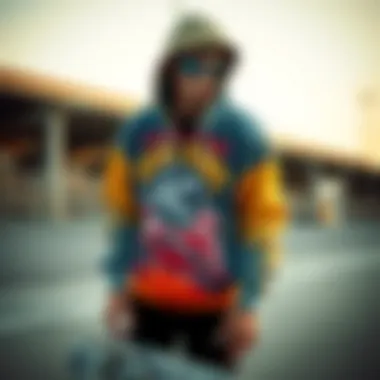
The world of skateboarding isn't just about the tricks and the boards; it's woven deeply into the fabric of youth culture, where style and function collide seamlessly. One striking element of this culture is the graphic design zip-up hoodie. These garments serve not only as protection against the chill while riding but also as vibrant canvases that reflect personal identity, artistry, and community values.
The Cultural Canvas
In skateboarding, the hoodie stands out as more than mere clothing. It's a tool for self-expression, often featuring bold graphics and designs that speak louder than words. From intricate illustrations to minimalist logos, these designs encapsulate the lifestyle and ethos of skateboarders. Much like the skaters who don them, these hoodies harbor a unique blend of creativity, rebellion, and individuality. As designers tap into popular culture and current events, the hoodies evolve, mirroring changes in the skateboarding landscape.
For example, consider the rise of street art. Graphic designers often collaborate with renowned street artists to craft limited-edition hoodies. This fusion not only generates buzz but also draws skateboarding enthusiasts who appreciate art's crossover into their everyday attire. The commercial power of these designs is undeniable, making them a staple both on and off the skateboard.
Bridging Function and Fashion
The zip-up hoodie seamlessly merges functionality with trendy style. The zipper feature allows for easy layering and ventilation, a practical necessity when engaged in high-energy activities. Whether you’re pulling off a tricky kickflip or simply hanging out at the skate park, comfort and mobility are essential.
Unlike traditional crew necks, zip-up hoodies afford skaters the flexibility to adjust their level of warmth while sporting their favorite designs. This dual-purpose aspect caters to skateboarders who thrive on spontaneity, allowing them to transition from the skate scene to a casual outing without missing a beat.
Embracing Community and Identity
Skateboarding is as much about community as it is about the individual rider. Many skateboarders find connection through shared aesthetics, and graphic design plays a pivotal role in this dynamic. Brands like Element and Thrasher use graphic zip-up hoodies to create a sense of belonging among their supporters.
In the crowded world of skate fashion, a well-designed hoodie can distinguish a skater from the rest. It's a badge of honor, signaling allegiance not only to a brand but to a particular lifestyle and philosophy. Similarly, local skating scenes often sport custom designs that foster pride and unity within the group, making each hoodie a unique identifier.
Finale
The intersection of graphic design and zip-up hoodies in skateboarding culture captures much more than just style; it embodies a lifestyle, an identity, and a community. As graphic designers continue to innovate and infuse fresh perspectives into their work, it's clear these hoodies will remain a vital aspect of the skateboard world, symbolizing the creative spirit and resilience of a culture that thrives on movement.
Prolusion to Graphic Design and Hoodies
In today's world, streetwear has become more than just clothing; it’s a form of art and self-expression. Among these wardrobe essentials, zip-up hoodies stand out for their blend of functionality and design. This article delves into how graphic design intersects with skateboarding culture through the lens of hoodies, examining their crucial role in not only clothing but also cultural identity.
Understanding Graphic Design in Apparel
Graphic design plays a pivotal role in apparel, where the artwork isn't merely decor but rather a language that conveys social messages, personal beliefs, and style preferences. When applied to hoodies, the design transforms simple fabric into powerful visual statements that can resonate deeply within the skateboarding community. From eye-catching graphics to thoughtful typography, every detail is a brushstroke on a living canvas. This approach not only influences aesthetic appeal but also enhances wearability, as the designs often speak to the individual’s personality and passions.
For instance, think about a hoodie featuring a bold, abstract design inspired by urban graffiti. It's not just about making a fashion choice; it’s an homage to the streets where skateboarding thrives. Often, you’ll see references to skate culture, local artists, or even social issues that are vital to the community, all integrated into the design. This way, graphic design doesn’t just dress the hoodie; it tells a story.
The Role of Hoodies in Streetwear
The hoodie itself has evolved tremendously within streetwear. Once confined to the realms of sports and gym wear, it is now an everyday piece that blends comfort with style. In skate culture, the zip-up hoodie serves multiple purposes. Firstly, it's practical—offering warmth during chilly evening sessions or protection against unexpected weather. Secondly, it provides versatility; one can wear it open or closed, layering easily with other streetwear essentials.
The cultural significance of the hoodie is also noteworthy. It symbolizes community and belonging, becoming almost a uniform for skateboarders. Within skate parks and urban environments, one can spot a multitude of designs, each unique to the wearer yet echoing a collective style. Whether adorned with the logo of a local skate shop or emblazoned with a graphic that reflects the latest music trend, the zip-up hoodie represents a blend of individuality and unity.
"The hoodie isn't just fashion; it's a way of life—an emblem of the skateboarder’s identity."
As we delve deeper into this article, the interplay between graphic design and zip-up hoodies will be explored further, revealing how these elements serve as powerful mediums of expression in skateboarding culture.
Significance of Zip Up Hoodies in Skate Culture
The zip-up hoodie is more than just a piece of clothing for many in the skateboarding community. It signifies identity, comfort, and a certain aesthetic that can communicate a lot about an individual or group without uttering a single word. This unique intersection of fashion and function is what makes zip-up hoodies a staple within skate culture. These garments serve not only as protection against the elements but also as canvases that showcase graphic design, reflecting the personal style and ethos of skateboarders.
Functional Benefits of Zip Up Designs
When it comes to functionality, zip-up hoodies deliver on multiple fronts. They offer convenience that pullover styles lack. Skateboarders are constantly in motion; they need clothing that can keep up. With a zip front, it’s easy to adjust for various weather conditions—zipping up for warmth during chilly winds or unzipping when the sun comes out. This adaptability is crucial when one is on the go, heading to skate parks, or meeting friends after riding.
Moreover, zip-up designs facilitate layering. During a day at the skatepark, temperatures can swing dramatically. As skaters sweat from physical exertion, being able to peel off a layer without disrupting their flow is invaluable. The ease of putting a hoodie on or taking it off quickly can make a substantial difference in performance and comfort.
Other factors also come into play. Many skateboarding hoodies are designed with pockets—ideal for stashing essentials like keys, phone, or tools for quick fixes on boards. It’s practicality meeting a love for style.
Fashion Statement vs. Practicality
In the world of skateboarding, the zip-up hoodie is emblematic of a duality: while it serves practical needs, it is equally a fashion statement.
Practicality often reigns supreme; skaters prioritize comfort and function in their clothing. A hoodie made with breathable fabric that allows for free movement is paramount. Great skate hoodies have a fit that provides ease while not being so baggy that they trip someone up while doing tricks.
Fashion, however, cannot be ignored. The designs—often featuring bold graphics, striking typography, or captivating illustrations—act as visual representations of the wearer’s personality or affiliations. A hoodie from a favored skate brand can signify loyalty and belonging to a certain community. The swoosh of a well-known logo or an edgy original design can speak volumes.
The vibrant culture of skateboarding thrives on individuality, and zip-up hoodies allow everyone to express themselves uniquely, often through collaborations with artists or local musicians that inject fresh energy into streetwear.
"A hoodie isn't just warm; it's a canvas and a cultural emblem, binding us to the streets we skate."
In essence, zip-up hoodies are not just functional items of clothing; they embody a broader identity, creating a bridge between utility and personal expression. They welcome newcomers to the skate scene while giving veterans a wearable badge of their passion.
Graphic Elements in Hoodie Designs
Graphic elements in hoodie designs serve as a crucial intersection of art and functionality within skateboarding culture. Each logo, graphic, and typeface can convey not just the brand identity but also the values, ambitions, and community bonds of skateboarders. They transform what is simply a garment into a canvas, where stories are told and identities are expressed. As the skate culture continues to evolve, so too do the designs that reflect its essence.
Typography and Its Impact
Typography is far more than just the arrangement of letters; it communicates a vibe, a feeling. In the world of graphic design for hoodies, the choice of typeface can set the tone of the entire piece. Bold, thick fonts might capture the adrenaline of skateboarding, while sleek, minimalist fonts can convey a more refined, contemporary style. Moreover, how lettering is integrated with graphics can greatly influence the viewer’s perception. For instance, using graffiti-style text resonates strongly with the urban roots of skate culture, as it links back to street art that's often seen in skate parks.
Using typography effectively involves:
- Hierarchy: Establishing importance in the information presented, guiding the eye seamlessly across the design.
- Readability: Ensuring the text can be easily read, even from a distance, which is particularly vital at skate events or competitions.
- Personality: Infusing the brand's ethos into the typography can foster a sense of belonging among wearers.
"The right font can make or break the emotional connection between the design and the audience."
Color Theory and Its Applications
Color theory is a fascinating subject that sheds light on how colors interact and the emotions they evoke. In hoodie designs, color choices can represent the wearer’s personal style and affect public perception. Bright colors can reflect energy and excitement, while muted tones may suggest a more laid-back attitude.
Moreover, the cultural significance of certain colors can’t be ignored. For instance, black is often associated with rebellion and strength, making it a go-to choice in many skate brands. Conversely, vibrant colors often spark joy and enthusiasm, appealing to younger audiences eager for self-expression.
When using color in hoodie designs, brands generally consider:
- Emotional responses: Colors can trigger different feelings; hence, they can be strategically selected to align with the brand narrative.
- Contrast and visibility: High contrast ensures elements stand out, particularly important during skate competitions.
- Seasonal trends: Certain colors may hold more appeal depending on the time of year, influencing production decisions.
Illustrations and Iconography
Illustrations and iconography are storytelling tools embedded within hoodie designs. The right pictures or symbols can evoke nostalgia or a connection to skateboarding history. Brands often incorporate elements like skateboards, wheels, or sanomon attributes—a homage to the lifestyle that shaped their identity.
These visuals help transcend language barriers, speaking to a global audience. An image of a skateboarding cat, for example, can be humorous yet relatable, connecting with a diverse range of skateboarders who appreciate both the light-hearted and the serious sides of the culture.
Key points in illustration design include:
- Originality: Unique designs distinguish brands in a saturated market.
- Cultural references: Incorporating local art styles or motifs can resonate better with specific communities.
- Versatility: Graphics should work well on various backgrounds and materials, ensuring quality remains intact regardless of the hoodie type.
In summary, the graphic elements within hoodie designs have a profound impact on how these garments are perceived in skateboarding culture. As they evolve, they’ll continue to shape the identity of skaters, enriching the tapestry of creativity and expression found in this vibrant community.
Cultural Influences on Hoodie Designs
Cultural influences play a pivotal role in shaping the design of zip-up hoodies, particularly within the vibrant realm of skateboarding. These influences extend beyond mere aesthetics, crafting a rich narrative that intertwines art, music, and communal identity. Understanding how cultural elements impact hoodie designs offers insight into the values, aspirations, and creative expression of skateboarders.
Street Art and its Relation to Clothing
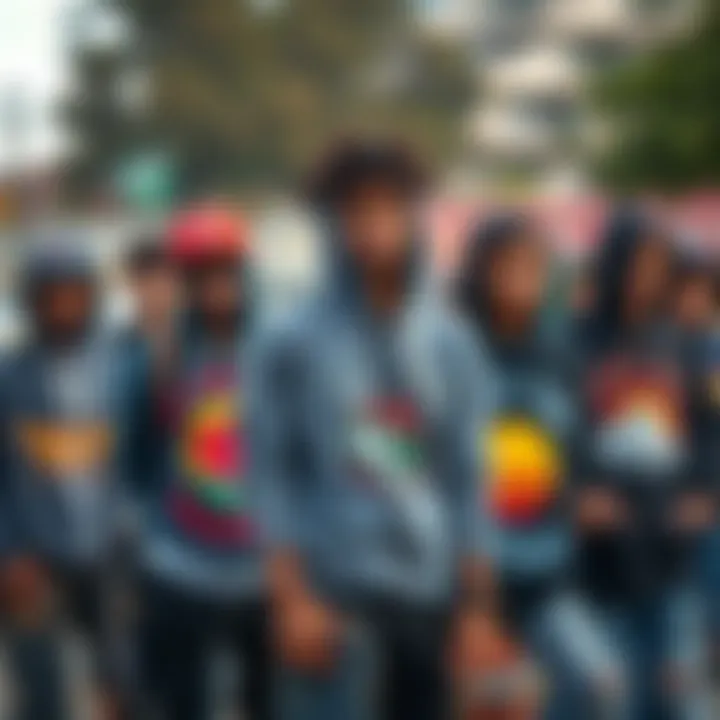
Street art has long served as a canvas for social commentary and creative expression. This movement isn’t just confined to city walls; it spills over into the realm of fashion, especially evident in hoodie designs. Graphic elements inspired by graffiti often find their way onto zip-up hoodies, making them not only garments but also statement pieces that reflect the urban landscape.
A prime example is the work of artists like Shepard Fairey, whose bold graphics and political commentary have translated into apparel designs that resonate with skateboarders. Hoodies become a way to carry the message of street art beyond the confines of the city.
The appeal of street art in hoodie designs lies in their ability to evoke a sense of rebellion and authenticity. When a skateboarder dons a hoodie emblazoned with colorful graffiti patterns, they project an image of creativity and defiance, essential traits of skate culture. This symbiotic relationship between art and apparel accentuates individual identity while fostering a sense of community, as skaters can relate to and support one another based on their choice of attire.
"Hoodies adorned with street art are more than fashion statements; they are badges of belonging in a culturally rich subculture."
Music and Subculture Reflections
Equally influential is the impact of music on hoodie designs. The skateboarding community has deep roots in punk rock, hip-hop, and more recently, electronic music. These genres shape the visual identity of the culture, reflected through lyrics, album covers, and consequent fashion trends. Many hoodies incorporate graphics that pay homage to these musical influences, transforming textiles into a form of wearable art.
For instance, logos reminiscent of iconic punk bands or snippets of lyrics can be found on popular hoodie designs. This connection to music not only serves to celebrate skate culture's diverse influences but also fosters deeper emotional ties among fans and skateboarders alike. Wearing a hoodie that echoes the sounds of their favorite band creates an unspoken bond between individuals, enabling them to express themselves while reinforcing the narrative of community.
Furthermore, collaborations between musicians and graphic designers often yield striking hoodie collections that highlight the relationship between sound and visual identity. These collaborations extend the reach of both art forms, creating a synergy that cements skateboarding’s place at the intersection of various cultural movements.
Market Trends in Zip Up Hoodies
The thriving skateboarding culture intersects closely with the popularity of zip-up hoodies, presenting a unique fusion of functionality, comfort, and self-expression. Trends in this realm go beyond mere fabric and stitching; they reflect the values, styles, and attitudes prevalent within the skateboarding community. A thorough understanding of these market trends not only shapes designers’ approaches but also guides retailers in attracting their target audience. Furthermore, keeping an eye on these shifts helps enthusiasts recognize what resonates in their culture's ever-evolving landscape.
Brands Dominating the Market
A handful of brands have carved out a significant share in the competitive landscape of zip-up hoodies aimed at skateboarders. These brands, such as Thrasher, Supreme, and Element, have developed a loyal following by integrating artistic flair with high-quality materials. For instance:
- Thrasher Magazine, recognized as one of skateboarding’s most iconic symbols, branches out into apparel by designing hoodies that boast bold graphics and clever catchphrases that resonate with the skate community.
- Supreme maintains its edge by collaborating with artists and musicians, producing limited-edition items that not only attract consumers but create a sense of urgency and exclusivity.
- Element, with its roots in environmental consciousness, uses sustainable materials and promotes nature-themed designs that connect deeply with skaters who value authenticity.
These brands' approaches demonstrate that in the world of skateboarding, marketing savvy and cultural relevance go hand in hand, as their products often embody the spirit of skating itself—rebellious, creative, and community-oriented.
Consumer Preferences and Insights
Understanding consumer preferences in the zip-up hoodie market sheds light on what resonates with skateboarders today. Studies show that many skaters prioritize comfort, fit, and practicality, driving them to choose hoodies that offer easy layering and functionality without sacrificing style. Here are some key insights to consider:
- Fabric Quality: Consumers show a strong preference for hoodies made from organic cotton and recycled materials, valuing both comfort and sustainability.
- Graphic Aesthetics: The trend leans towards bold graphics that represent personal beliefs or subcultures. Hoodies that incorporate unique designs or local artist contributions often see higher demand.
- Customization: Many skaters enjoy expressing their individuality. Zip-up hoodies that allow for some personal touch, whether through patches or custom designs, find favor among consumers looking to stand out in the crowd.
Ultimately, effective marketing relies on the brand's ability to listen and adapt to skaters’ needs, weaving their feedback into product design and offerings.
Sustainability in Graphic Design and Apparel
The call for sustainability in graphic design and apparel has become louder over the years, and skateboarding culture isn't left blissfully unaware. Skateboarders are increasingly conscious of the impact that their fashion choices have on the environment. As a crucial part of this lifestyle, zip-up hoodies symbolize more than just comfort and style; they can also embody a commitment to ethical practices. This section dives into various aspects of sustainability, aiming to showcase how the integration of eco-friendly approaches can pave the way for a greener future in skatewear.
Eco-Friendly Materials and Production
The backbone of sustainable fashion lies in its materials and the methods of production. Several brands have started to explore innovative, eco-friendly textiles and manufacturing techniques for their graphic design zip-up hoodies. Materials such as organic cotton, recycled polyester, and hemp not only reduce the carbon footprint but also offer durability in garments that are designed to withstand the rigors of skateboarding.
- Organic Cotton: Preferred for its minimal use of chemicals, organic cotton has gained traction among eco-conscious consumers. Unlike conventional cotton, it's grown without synthetic fertilizers or pesticides.
- Recycled Polyester: This material takes plastic waste—such as used bottles—and repurposes it into fabric, thereby reducing landfill waste. Some brands highlight this on their hoodies, creating a strong selling point.
- Hemp: With its low environmental impact, hemp needs less water and no pesticides. It is an inherently strong material, perfect for the demands of skate life.
The production process is just as important as the materials themselves. Utilizing water-saving techniques and renewable energy sources during manufacturing can considerably reduce overall environmental impact. For example, brands like Patagonia are known for their commitment to responsible production practices, embedding sustainability in their business models.
The Role of Designers in Advocacy
Designers hold a powerful position in the quest for sustainability within apparel. They not only create the graphic elements that reflect culture but also have the opportunity to advocate for change. Many individuals in this field are using their platforms to emphasize the importance of sustainable practices in both design and production. This advocacy can take several forms:
- Promoting Transparent Supply Chains: Designers often work directly with manufacturers, and their influence can stretch to ensuring ethical methods throughout the supply chain. By shedding light on where materials come from and how workers are treated, they contribute to a more informed consumer base.
- Collaborative Collections: Some designers collaborate with non-profits focused on sustainability and social justice. Through these partnerships, limited-edition hoodie releases can raise awareness and funds for pressing environmental issues. It's a win-win situation, aligning consumer interests with social responsibility.
- Educational Initiatives: Designers can also engage in creating educational campaigns that highlight the importance of sustainable practices in graphic design. By hosting workshops or creating online content, they can share how your choice of graphic design influences not just style but environmental responsibility.
"Fashion is a form of self-expression, but it can also express our values and commitments to the planet."
The Community Aspect of Hoodies in Skateboarding
In the skateboarding universe, zip-up hoodies are more than just clothing; they're a symbol of belonging and identity. They resonate with the culture's ethos, facilitating a sense of community among skateboarders. The very act of slipping into a hoodie may seem trivial, but for many, it represents an unspoken bond with others who share in the pursuit of skating.
When one dons a graphic design hoodie adorned with striking visuals or expressive typography, it acts as a badge of honor within the skate community. These designs tell stories, showcase talent, and reflect individual personalities. In a way, every unique hoodie serves as a canvas, allowing skateboarders to express their thoughts and experiences. This visual representation is crucial in a sport where expression is often communicated through action on the board, but also through style off of it.
Identity and Belonging Through Fashion
Fashion plays a critical role in establishing one's identity in skateboarding culture. For many enthusiasts, the zip-up hoodie is a shortcut to understanding a person's vibe. Are they all about street style, or do they lean towards the techy side of skating? The style of hoodie chosen, its fit, and the graphics plastered across it can offer insights into the wearer’s affiliations, tastes, and aspirations.
Wearing a specific brand or design can forge connections, as similar interests can bring people together. Hoodies also allow for showcasing local artists, skate brands, or skate crews, which can build a sense of community around regional pride. In cities with rich skate histories, a certain hoodie might remind locals of legendary spots, making it a connector across generations.
"Fashion isn’t just about the clothes; it’s a bridge that links people in skateboarding culture, establishing a sense of belonging and shared passion.”
Collaborations and Collective Efforts
Collaborations among brands, artists, and skate companies have ushered in an era of vibrant hoodies that reflect a collective spirit in skateboarding culture. When a skate brand partners with a local artist to create a limited-edition zip-up, it’s not just a marketing ploy; it’s about unifying communities. These collaborations elevate the design from mere apparel to a collaborative piece of art that resonates deeply with both skateboarders and artists alike.
Moreover, skate events or competitions often showcase special edition hoodies that celebrate the culture and the community. Buying these limited items fosters support for local skate parks, charities, or initiatives. Collectively, these hoodies function as a tool for activism, reminding others of the importance of community while affirming the identity of the culture at large.
Through shared experiences and cooperative endeavors, the humble zip-up hoodie grows into a medium for artistry, activism, and above all, community connection. It’s easy to see how something as simple as a hoodie can encapsulate the spirit of skateboarding — a tapestry woven from skaters' passions, voices, and communal pride.
Stitch by stitch, graphic design zip-up hoodies not only adorn bodies but also link hearts and minds, forming an organized yet chaotic community where every member finds their place.
Future Directions in Graphic Design for Hoodies
Graphic design for hoodies, especially in the realm of skateboarding culture, is not just about aesthetics; it reflects shifting attitudes, technological advancements, and evolving consumer preferences. As we stand at a crossroads of creativity and innovation, understanding the future directions in this domain is crucial for brands, designers, and enthusiasts alike. This section explores the imminent changes that promise to shape graphic hoodie designs in unprecedented ways.
Emerging Trends and Innovations
As the landscape of graphic design continues to morph, emerging trends reveal a wealth of opportunities for brands to engage with their consumers. Here are a few notable trends shaping the future of zip-up hoodies in skateboarding culture:
- Personalization: There’s a growing demand for unique designs that resonate with individual identities. Brands are embracing customizable hoodies, allowing skateboarders to incorporate their artwork, slogans, or graphic elements that resonate deeply with their personal skate journey.
- Sustainability: An increasing number of designers are focusing on eco-friendly materials. This shift not only promotes environmental consciousness but also attracts a demographic that values sustainable practices. Brands like Patagonia are leading the charge by integrating organic cotton and recycled polyester into their hoodie offerings.
- Street Art Influences: The convergence of street art and graphic apparel is becoming more pronounced. Hoodies are now serving as canvases for well-known local artists, creating pieces that are both wearable and collectible. This shift fosters a sense of community and collaboration within the skateboarding scene.
“The hoodie becomes a canvas, grazing the fine line between art and fashion.”
- Augmented Reality: As tech-savvy youth dominate the skateboarding scene, augmented reality (AR) is making inroads into hoodie designs. Certain brands allow customers to scan their hoodies with an app, bringing graphics to life in a digital format, thus enhancing the wearer’s experience.
These trends indicate that the hoodies of tomorrow will be more than mere garments; they’ll embody personal narratives, artistic expressions, and technological innovations.
The Influence of Technology on Design
Technology plays a pivotal role in shaping the future direction of graphic design for hoodies. Advancements in tools and techniques allow designers to explore new horizons such as:
- Digital Printing: The evolution of printing technology has revolutionized how graphics are applied to textiles. Direct-to-garment (DTG) printing methods enable complex designs with vivid colors, while reducing waste compared to traditional screen printing.
- 3D Design Software: Tools like Adobe Dimension and Blender allow designers to visualize their works in 3D before production, leading to more refined and innovative designs. Using these tools can help in crafting unique hoodie shapes that match the latest style trends.
- E-commerce Innovations: As more shoppers turn to online platforms, immersive shopping experiences are critical. Virtual try-ons and 360-degree views enhance customer engagement, enabling skateboarders to visualize how a hoodie aligns with their lifestyle before making a purchase.
- Social Media Influence: Platforms like Instagram and TikTok are increasingly shaping design trends. The virality of a hoodie on these platforms can potentially skyrocket a brand’s popularity overnight, as skate influencers share their unique styles with a broader audience.
In summary, the future is bright for graphic design in zip-up hoodies, fueled by innovation and creativity. As skateboard culture continues to evolve, the interplay between design, technology, and individual expression promises to pave the way for exciting developments in how these garments are perceived and utilized.
Finale
Reflection on the Intersection of Design and Culture
In examining the blend of graphic design and zip-up hoodies within the skateboarding scene, it's clear that these garments are more than just clothing. They serve as banners of self-expression, combining artistry with the culture that skateboarders live and breathe. Hoodies act as a blank canvas where personal stories, social commentary, and artistic creativity collide. This interaction between design and culture highlights an essential element within skateboarding—identity. Whether through vibrant colors or striking graphics, every hoodie can tell a tale of the skateboarder's journey.
For many enthusiasts, wearing a specific design often connects them with a movement or a particular skate community. It helps unite individuals, creating a shared identity among skaters who might otherwise be strangers. Here, one can see how graphic design transforms mere fabric into a crucial component of skate culture. What once might have identified someone as just another boarder now distinctly marks them as a part of a wider artistic expression, showcasing the richness found in this subculture.
“Clothing isn’t just about warmth anymore; it’s storytelling through style.”
Final Thoughts on the Future of Zip Up Hoodies
The future appears quite promising for zip-up hoodies in the realm of skateboarding. As trends shift and the desire for unique, personalized fashion intensifies, it's anticipated that more skateboarders will lean towards hoodies that not only look good but also represent their values and beliefs. The significance of sustainable materials and eco-friendly practices will likely become increasingly important as conscious consumption becomes the norm. With designers actively exploring innovative printing techniques and custom designs, skateboarders can expect to see more individualized options that resonate with their identities.
Moreover, as technology continues to evolve, print on demand and customization options will likely become more prevalent. This change can allow for a broader range of expressions, enabling skateboarders to have a hand in the creative process of their gear. They won’t just wear a design; they’ll embody it.
In closing, the hyperlink between graphic design and zip-up hoodies will undoubtedly leave its mark on the skateboarding realm. As both art and functionality evolve, they promise to create a more vivid, inclusive panorama for culture and community. As we look ahead, one can pose an important question: how will you wear your story on your hoodie?